
About Emergency Department/Trauma
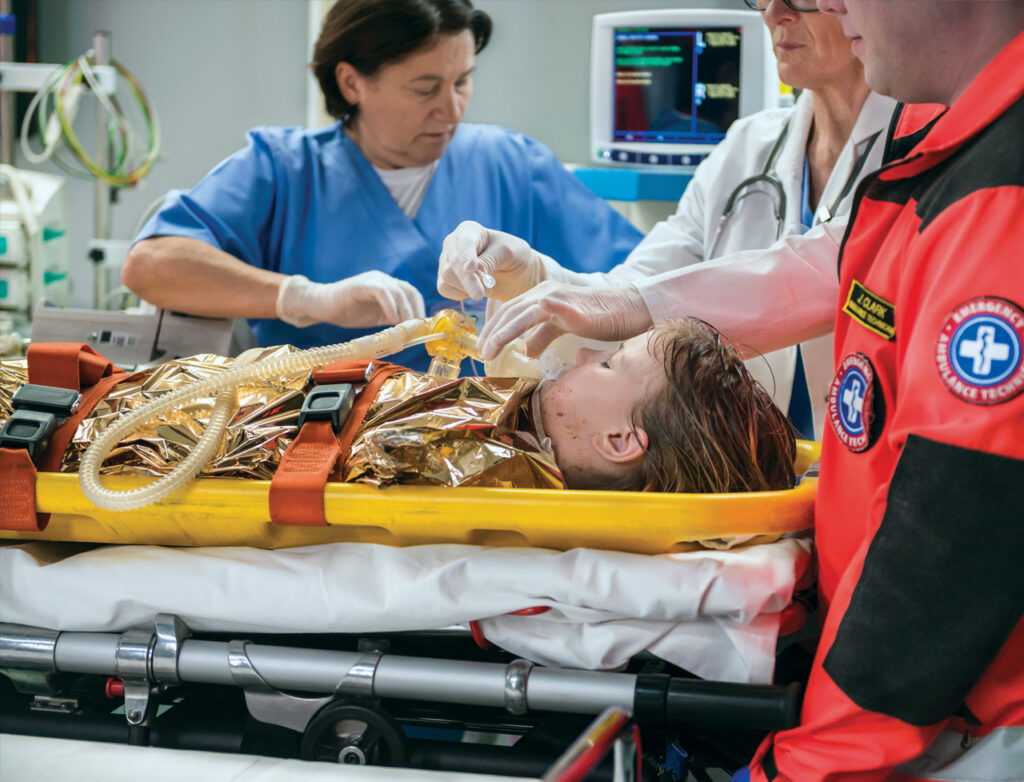
California’s emergency departments (EDs) are filled to the brim (some 15 million people visit EDs every year) — often so packed that patients are forced to wait hours to be treated and ambulances are delayed in transferring patients to hospitals. Several things are behind this crisis:
- A lack of primary care clinicians that accept Medi-Cal
- A lack of post-hospital care sites (nursing homes, rehab facilities, mental health and addiction facilities, etc.) for patients and challenges with commercial insurance companies approving post-hospital care
- Workforce shortages
- Massive increases in the need for mental health and substance use disorder treatment
- Growing hospital financial distress, in part due to government payer shortfalls
- A dearth of alternative community care sites, like clinics or home settings
Without change, EDs — which accept all patients 24/7 year-round — will struggle to provide critical care to those experiencing trauma, injury, or acute medical conditions. Addressing this problem will take commitment and innovation from insurance companies, state policymakers, providers, and others to deliver better access to primary and specialty services, improved funding for ED care, and more.
2026 Behavioral Health Care Symposium
This year’s symposium will tackle the most pressing challenges facing behavioral health care professionals and offer insights into complying with California’s shifting policies. Explore the issues keeping behavioral health care professionals up at night and learn innovative ways to connect patients to community-based care. Sessions will cover nursing ratios, perinatal mental health, EmPATH, co-responder models, […]
2026 Disaster Planning Conference
Disaster planning in health care means being ready for anything and ensuring the safety of our communities while maintaining continuity of care when it matters most. The challenges are real, and the expectations are high.