

Disaster planning in health care means being ready for anything and ensuring the safety of our communities while maintaining continuity of care when it matters most. The challenges are real, and the expectations are high.
This conference brings together both new and experienced professionals for focused training, practical insights, and meaningful connection. Together, we’ll explore how to identify vulnerabilities, strengthen response strategies, and build cross-sector partnerships that improve outcomes when disaster strikes.
Whether you’re refining your approach or building new capabilities, you’ll leave with tools and perspectives to support continuous improvement in your work.
More details on the agenda and speakers are coming soon.
Target Audience: Emergency preparedness directors and coordinators, members of the hospital disaster planning team, compliance, nurse managers, case managers, quality and safety executives, clinical directors
11:30 a.m. – 12:45 p.m. | Check-in, Lunch, and Exhibitor Viewing
12:45 – 1:00 p.m. | Welcome | Mary Massey
1:00 – 2:00 p.m. | General Session | The Owls Are Not What They Seem: Omens of the Next Pandemic
James Lawler, MD, MPH, FIDSA, Associate Director, Global Health Center for Health Security, University of Nebraska Medical Center
Emerging infectious disease threats continue to evolve, challenging health care and public health professionals to look beyond what we know today and consider what may be on the horizon. This session will explore recent developments and emerging trends in infectious disease, including advances in synthetic biology and other issues shaping the global health landscape. Drawing on data and developments at the local, state, national and international levels, attendees will gain insight into the signals experts are watching and what they may mean for future health care preparedness.
Learning Objective: Describe emerging infectious disease trends and the signals experts are monitoring to inform future health care preparedness.
2:00 – 3:00 p.m. | Concurrent Breakout Sessions (choose one)
- Seismic Readiness Beyond SPC & NPC: What Readiness Really Looks Like for California Hospitals in 2030 and Beyond
Narsimha Irrinki, MS, P.E., CHFM, CHC, CPE, CPD, FASHE, Director of Facilities, Santa Clara Valley Healthcare, Muhsin Lihony, Healthcare Architect, LPA Studios, Ali Sumer, Supervisor Health Facilities, Department of Health Care Access and Information
This presentation examines how seismic readiness for California hospitals is evolving beyond traditional compliance-focused approaches toward a broader operational resilience framework for 2030 and beyond. While SPC and NPC standards address important structural and nonstructural requirements, hospitals face increasing operational complexity and infrastructure dependency that extend far beyond regulatory mandates. Modern health care operations rely on interconnected systems including emergency power, HVAC, water supply, medical gas, communications, information technology, supply chains, and clinical operations that must continue functioning under highly degraded and uncertain conditions during major seismic events.
Learning Objective: Analyze how infrastructure interdependencies, utility disruptions, nonstructural vulnerabilities, operational degradation, and leadership decision-making affect the ability of California hospitals to sustain patient care and emergency operations following earthquakes. - A Coordinated Building Assessment Process to Support Hospital Operations During Large-Scare Emergencies
Sidney Spacher, Emergency Management Specialist, Mark Reed, MBA, CHPA, Executive Director of Campus Support Operations, Ashraf Amshaqn, Manager of Biological and Lab Safety, and Chris Martin, Manage of Business Continuity, Scott Murphy, Director of Constructions, City of Hope
This presentation explores how City of Hope developed a coordinated, technology-enabled building assessment process to support rapid decision-making during large-scale emergency events. Attendees will learn how to create multidisciplinary strike teams, assess infrastructure damage, life safety concerns, and operational readiness across a complex health care campus. The session highlights the use of real-time reporting tools to improve situational awareness and communication with incident command. Designed for health care emergency management, facilities, and safety leaders, the approach emphasizes scalability and coordination. Participants will gain practical strategies to strengthen resilience and ensure continuity of patient care during disasters.
Learning Objective: Identify practical considerations and best practices for implementing a building assessment framework that prioritizes life safety, infrastructure integrity, and continuity of patient care during disasters. - Medical and Public Health Decisions for Nuclear Detonation Response
Andi Tenner, MD, MPH, FACEP, Director, San Francisco Department of Public Health Emergency Preparedness and Response, Chad Hopponen, NARAC Operations Specialist, Lawrence Livermore National Laboratory, and Juan Garcia, Emergency Preparedness Health Physicist, California Department of Public Health
Nuclear detonation is a high impact scenario that is the least planned for and exercised for health and medical impacts. Multiagency coordination for response within the first 72 hours will have multiple unique characteristics. Readiness can save thousands of lives and protect lives of many others while ensuring the safety of responders and receivers. Attendees will learn about data and information needs for medical and health decision making, mass triage and medical surge management, and connect with experts from national, state and local response agencies. Please join us to learn how your organization or jurisdiction can access resources for training and exercising to be better prepared for nuclear and other radiological emergencies. details and session description are still being finalized.
Learning Objective: Identify priority response needs to save lives and manage surge operations including staffing and responder safety.
3:00 – 3:30 p.m. | Break & Exhibitor Viewing
3:30 – 4:30 p.m. | General Session | Powder in the Mail: A Hospital’s Coordinated Response to a Suspected WMD Incident
Christopher Riccardi, CHSP, CHEP, Manager of Emergency Management and Calvin Fakkema, CHSP, CHEP, Director of Support Services, Rady Children’s Hospital Orange County and Jason To, FBI Special Agent, WMD Coordinator, Federal Bureau of Investigation
Health care facilities in California play a vital role in early recognition and coordinated responses to potential weapons of mass destruction (WMD) incidents. This session presents a real-world case in which a suspicious white powder was delivered to a hospital, prompting activation of the Hospital Incident Command System (HICS) and a coordinated response with local EMS, fire/HazMat teams, public health, and the Federal Bureau of Investigation (FBI).
Learning Objective: Evaluate coordination strategies between hospitals, EMS, HazMat, public health, and federal law enforcement during a potential WMD response.
4:30 – 5:45 p.m. | Reception
7:00 – 7:50 a.m. | Breakfast & Exhibitor Viewing
7:50 – 8:50 a.m. | General Session | High Tech, High Risk: Preparing for Battery-Related Incidents in Health Care
Ryan Tuchmayer, MPH, CEM, Director of Emergency Management, Cedars-Sinai Medical Center
This presentation provides a practical incident review of lithium-ion battery fires in hospitals and outpatient health care settings. It highlights the coordinated response between hospital personnel, fire departments, hazardous materials teams, and regulatory agencies, while emphasizing the need to sustain patient care and hospital operations. The session translates real-world events into actionable lessons for emergency preparedness, business continuity, regulatory reporting, staff education, and safe management of battery-powered equipment. Attendees will gain insight into response priorities, operational impacts, and improvement opportunities that can strengthen organizational readiness for emerging lithium-ion battery fire risks in health care environments.
Learning Objective: Identify risks from batteries used in health care and continuity of operation interdependencies and downtime plans when battery incidents occur.
8:50 – 9:00 a.m. | Passing Break
9:00 – 10:00 a.m. | Concurrent Breakout Sessions (choose one)
- From Zero to Ready: Building a Scalable Hospital HazMat Program through Regional Collaboration
Janet Gutierrez, CHSP, MBA(c), Manager of Environmental Health & Safety, NorthBay Health and Ruth Raisner, MPH, CEM, Manager, Emergency Management & Continuity, NorthBay Health
Hospitals in high-risk areas must be prepared for hazardous materials incidents, yet building and sustaining a HazMat program can feel overwhelming. This session shares how one hospital went from zero certified responders to a scalable, countywide training model through Health Care Coalition partnerships and shared learning. Attendees will learn practical, low-cost tools such as QR code job aids, simplified decontamination setups, and multidisciplinary training approaches that can be implemented immediately. Presenters will also highlight how simulation enhancements and HSEEP-based improvement cycles strengthened performance year over year. Leave with real-world strategies to build, sustain, and continuously improve HazMat readiness at your facility.
Learning Objective: Describe how to build a sustainable hospital HazMat preparedness program from the ground up using regional partnerships and Health Care Coalition support. - Las Vegas Route 91 Harvest Festival Massacre – Response and Lessons Learned
Dorita Sondereker, RN, BSN, MSN, CFRN, CEN, TCRN, Hospital Administrator, San Diego County Psychiatric Hospital
Effective disaster planning is essential for maintaining continuity of care, safeguarding infrastructure, and protecting patient and staff well‑being across all health care settings. Rural hospitals and large urban medical centers face distinct challenges during disasters, yet both require coordinated, scalable, and resilient preparedness strategies. Rural hospitals often operate with limited staff, fewer specialty services, and constrained resources, making surge capacity and external partnerships crucial components of their planning. In contrast, large hospitals manage more complex patient populations, extensive technological systems, and larger care teams, requiring comprehensive incident command structures, advanced communication networks, and integrated regional response plans. The presentation will revolve around the key differences and shared priorities in disaster preparedness across rural and large hospitals, emphasizing flexible planning frameworks, inter‑facility collaboration, and continuous training to strengthen system-wide resilience.
Learning Objective: Optimize Resource Allocation and Surge Capacity by developing adaptable plans to manage sudden increases in patient volume, including strategies for staffing reassignments, rapid triage, conservation of supplies, and use of alternate care areas when standard capacity is exceeded. - Toto We Are Still in California – Lessons Learned from a Tornado Event
AnnJeanette England, BSN, RN, Emergency Management Coordinator and Ashley Ave, Emergency Management Coordinator, Valley Children’s Hospital
This presentation reviews the hospital’s response to the April 21, 2026, National Weather Service tornado warning, highlighting key strengths in rapid shelter in place actions, leadership engagement, and a strong culture of safety that resulted in no injuries and positive family feedback. It examines critical lessons learned related to communication breakdowns, including inconsistent messaging pathways, reliance on coded language, and gaps in system reliability that led to confusion across departments. The session also emphasizes the importance of early activation of the Hospital Incident Command System (HICS), clear role definition, and improved familiarity with all-hazards response plans. Finally, it outlines targeted improvements to strengthen future response efforts, including standardized plain language communication, enhanced notification processes, improved staff education, and more structured and timely command activation.
Learning Objective: Recognize the impact of communication redundancy gaps and inconsistent message interpretation on staff response and operational effectiveness.
10:00 – 10:30 a.m. | Break & Exhibitor Viewing
10:30 – 11:30 a.m. | Concurrent Breakout Sessions (choose one)
- New EM Coordinators – Navigating Your Way to Success
Mark Shirley, MS, Director, Sutter Health
This presentation provides an overview of the foundational elements of health care emergency management, including the role of the Hospital Incident Command System (HICS) in establishing a structured, scalable response, the importance of conducting Hazard Vulnerability Analyses (HVAs) to prioritize risks and inform planning, as well as the essential components of an Emergency Operations Plan (EOP) to guide coordinated action during incidents. Additionally, it underscores the critical role of training, drills, and continuous improvement in maintaining regulatory compliance and organizational readiness, Lastly, the presentation includes key resources to assist new emergency management coordinators with their professional development.
Learning Objective: Understand core emergency management principles and be aware of career development resources. - Addressing the Little Disasters in a Disaster: Pediatric Considerations for Disaster Management
AnnJeanette England, BSN, RN, Emergency Management Coordinator and Ashley Ave, Emergency Management Coordinator, Valley Children’s Hospital
Pediatric populations present unique vulnerabilities during disasters that require deliberate planning, specialized resources, and targeted training strategies. This presentation examines key pediatric considerations in disaster response, with a focus on developing programs that address the functional and access needs of children, including those with medical complexity, developmental differences, and dependency on caregivers. The session will highlight practical approaches for integrating pediatric-specific functional needs into hospital and community emergency preparedness programs, emphasizing interdisciplinary collaboration and alignment with regulatory and accreditation standards. Strategies for meaningfully involving children and pediatric stakeholders in drills and exercises will be discussed, including age-appropriate engagement methods that enhance preparedness, reduce fear, and improve system performance.
Learning Objective: Apply practical approaches to integrate pediatric-specific functional and access needs into existing hospital and community emergency management plans. - Insight Sessions | Double your education with two shorter sessions in one.
- Can You Hear Me Now? Lessons from the Palisades Fire
Anjay Parthasarathy, Homestead High School Senior, Emergency Evacuation Committee Lead, Santa Clara County Office of Education
This session delivers a blueprint for frontline facilities to overcome this systemic failure by deploying predictive spatial analytics via ArcGIS Pro. This workshop asks the question of how hospital centers can best overlay regional pediatric DHH demographic data directly against fast-moving wildfires to forecast and mitigate communication barriers before patients arrive. Attendees will receive a toolkit designed for immediate integration into the Hospital Incident Command System (HICS) Operations and Logistics sections, which includes an accessible, non-audible intake matrix, visual triage checklists, and pediatric DHH family reunification protocols designed to function during emergencies.
Learning Objective: Identify strategies and tools that can be integrated into the Hospital Incident Command System (HICS) to improve communication, triage, and family reunification for pediatric DHH patients during emergencies. - HBEDS: Official Launch, Onboarding, and Next Steps | Kate McHugh, Project Manager and Derek Gitmed, MS, Program Manager, Intelligence Section Chief, California Department of Public Health
Learning Objective: Identify recent developments in California’s Hospital Bed and Emergency Medical Services Data System (HBEDS) and understand the onboarding process, implementation timeline, and upcoming milestones.
- Can You Hear Me Now? Lessons from the Palisades Fire
11:30 a.m. – 12:30 p.m. | Hosted Lunch
12:30 – 1:30 p.m. | General Session | Protecting the Caregiver: Emergency Management on the Aftermath of an Attack on Staff
Andi Tenner, MD, MPH, FACEP, Director, San Francisco Department of Public Health Emergency Preparedness and Response, and Sabrina Robinson, FACHE, MBA, Chief Operating Officer, Zuckerberg San Francisco General Hospital
Violence against health care workers has been increasing worldwide in recent years. Health care facilities must balance worker safety and create welcoming environments for patients, and this has become increasingly more difficult. If those safety measures fail and tragedy happens, how would your facility handle the response? In this presentation, speakers will discuss a real-world example and how emergency management, hospital, and clinic operations joined forces to rapidly support staff in need, shore up safety procedures, and start to rebuild trust. Attendees will leave with a better understanding of the challenges and potential solutions to better prepare their respective workplaces in the event tragedy strikes.
Learning Objective: Learn from a real-world case about the challenges faced in the aftermath of an attack of a staff member including staff response, the grieving process, and team support.
1:30 – 2:30 p.m. | General Session | Strengthening Health Care Cyber Resilience Through Large-Scale Simulation Exercises
Mitchell Saruwatari, Director of National EM Management and Sola Adesida, Executive Director of Resiliency & Recovery Services, Kaiser Permanente
This presentation explores how large-scale health care cyber exercises are designed and used to strengthen organizational resilience during IT outages and cyberattacks. It highlights key components of scenario-based simulations, including cross-functional coordination, leadership decision-making, and business continuity planning. Attendees will gain insights from real exercise outcomes and learn practical approaches to building, facilitating, and evaluating cyber preparedness activities, enabling them to enhance response capabilities and apply lessons learned to improve resilience within their own organizations.
Learning Objective: Analyze the impact of cyber incidents on health care operations and decision-making by examining communication effectiveness, leadership actions, and inter-organizational collaboration during simulated crisis scenarios.
Speakers bios will continue to be added as they are received.

Sola Adesida
Executive Director, Enterprise Resilience
Kaiser Permanente
Sola Adesida is a leader in organizational resilience and preparedness, dedicated to ensuring health care systems can continue to deliver safe and reliable care in the face of disruption. As Executive Director of Enterprise IT Resilience for Kaiser Permanente, Sola leads enterprise-wide strategy and operations for disaster preparedness, cyber resilience, business continuity, recovery risk, and crisis management. Her work focuses on strengthening the organization’s ability to anticipate, withstand, and recover from crises while safeguarding continuity of care for millions of members. Sola has led large-scale efforts that bring together cross-functional teams to build systems and processes that not only respond to crises but also learn and evolve from them.
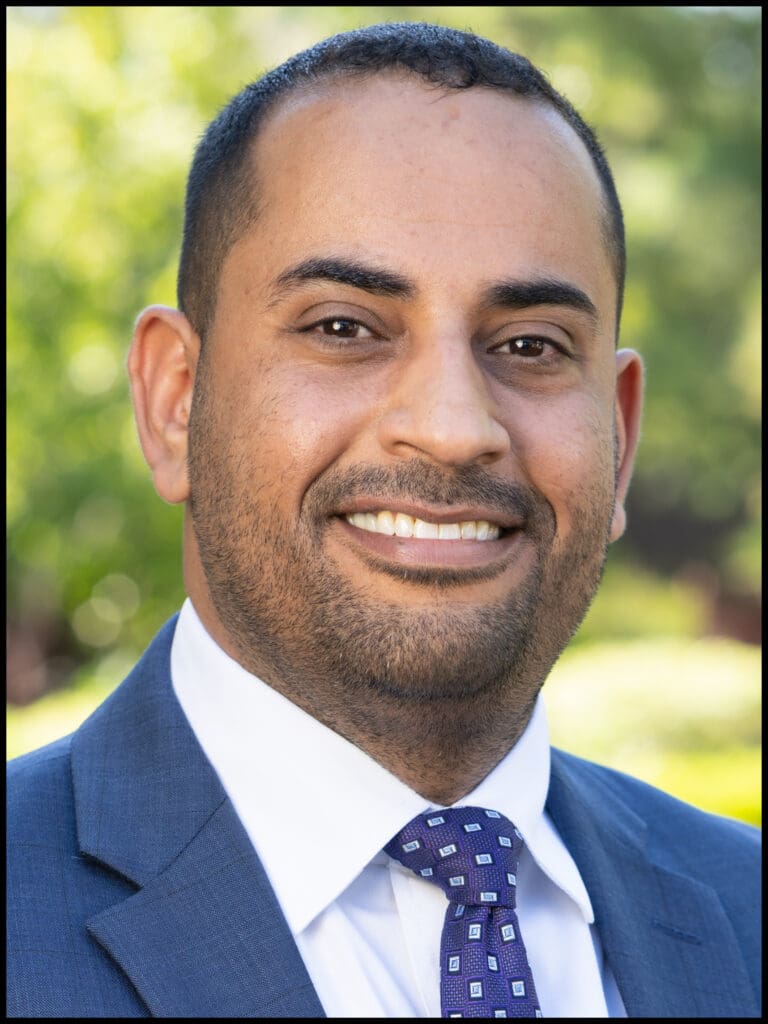
Ashraf Amshaqn, MSc
Manager of Biological and Laboratory Safety
City of Hope National Medical Center
Ashraf Amshaqn, MSc, is the Manager of Biological and Laboratory Safety at City of Hope National Medical Center, where he leads institutional biosafety and laboratory safety programs supporting research and clinical operations. Ashraf is an active member of City of Hope’s Institutional Biosafety Committee (IBC) and Institutional Animal Care and Use Committee (IACUC), with interests in biosafety program development, laboratory safety, and regulatory compliance.
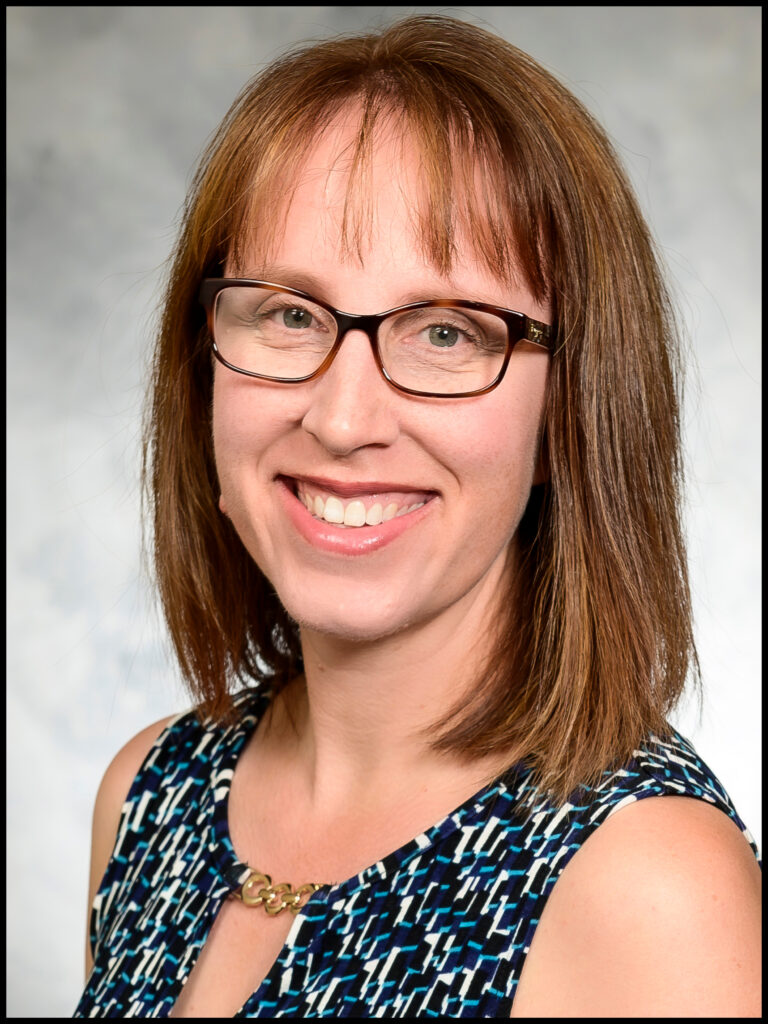
Ashley Ave, MA
Emergency Management Coordinator
Valley Children’s Healthcare
Ashley Ave began her career at Valley Children’s Healthcare in 2000 focusing on Clinical and Patient/Family Education. In 2014, she transitioned into the role of Emergency Management Coordinator where she provides oversight, coordination, and continuous evaluation of Emergency Management Program activities for the health care network. She is dedicated to equipping leaders and their teams to participate in all phases of the emergency management process. Mrs. Ave is an active member of the Central California Healthcare Coalition and the Madera County Emergency Preparedness Subcommittee.

AnnJeanette England, RN, BSN
Emergency Management Coordinator
Valley Children’s Hospital
AnnJeanette England, BSN, RN, is an Emergency Management Coordinator at Valley Children’s Hospital in California’s Central Valley. With nearly two decades of health care leadership experience, she brings a strong background in emergency nursing, trauma services, case management, nursing leadership, quality improvement, and emergency preparedness. Her career has included a range of clinical and leadership roles, including Interim Director of Nursing, Trauma Performance Improvement Coordinator, Emergency Department Educator, and School Nurse. In her current role, she has led initiatives to improve situational awareness, communication, and coordination through a digital hospital command structure, while also fostering community partnerships.
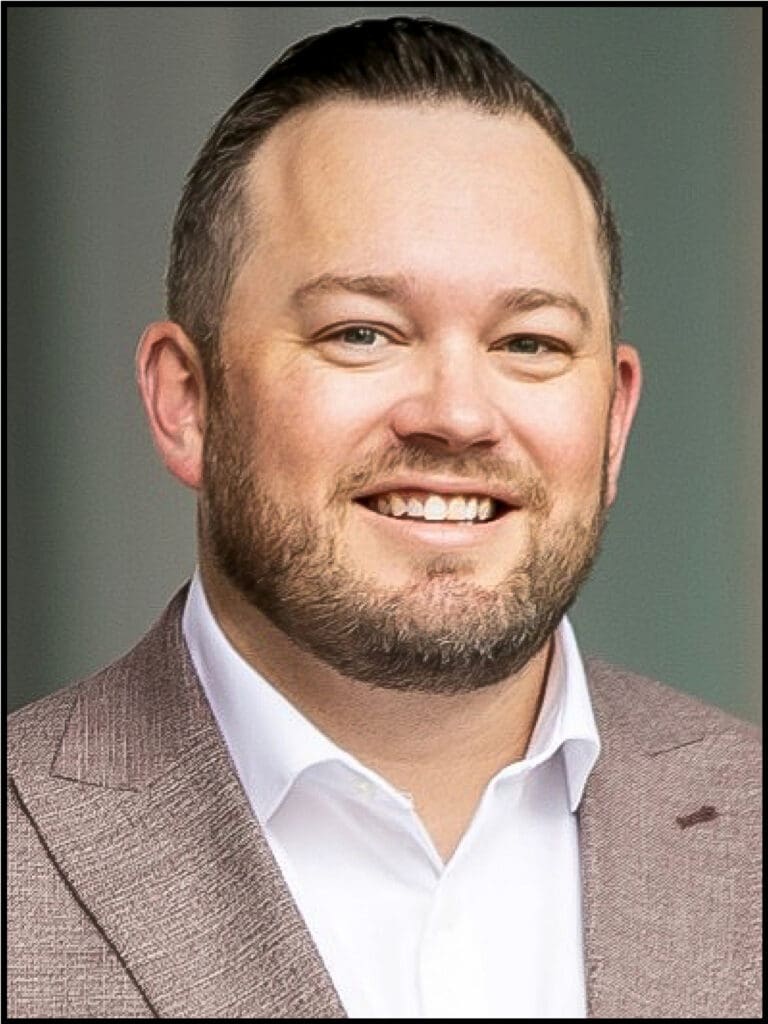
Calvin Fakkema
Executive Director of Facilities & Support Services
Rady Children’s Health – Orange County
With over 21 years of health care leadership experience, Calvin Fakkema is an accomplished executive with expertise spanning facilities, safety, security, emergency management, workplace violence prevention, and support services. As Executive Director of Facilities & Support Services at Rady Children’s Health Orange County, Calvin provides strategic direction and operational leadership across a diverse portfolio of critical hospital functions, with a focus on ensuring a safe, reliable, compliant, and resilient environment for patients, families, staff, and visitors. He leads organizational priorities related to regulatory readiness, facility operations and infrastructure, emergency preparedness, physical security, environmental safety, and continuity of operations.
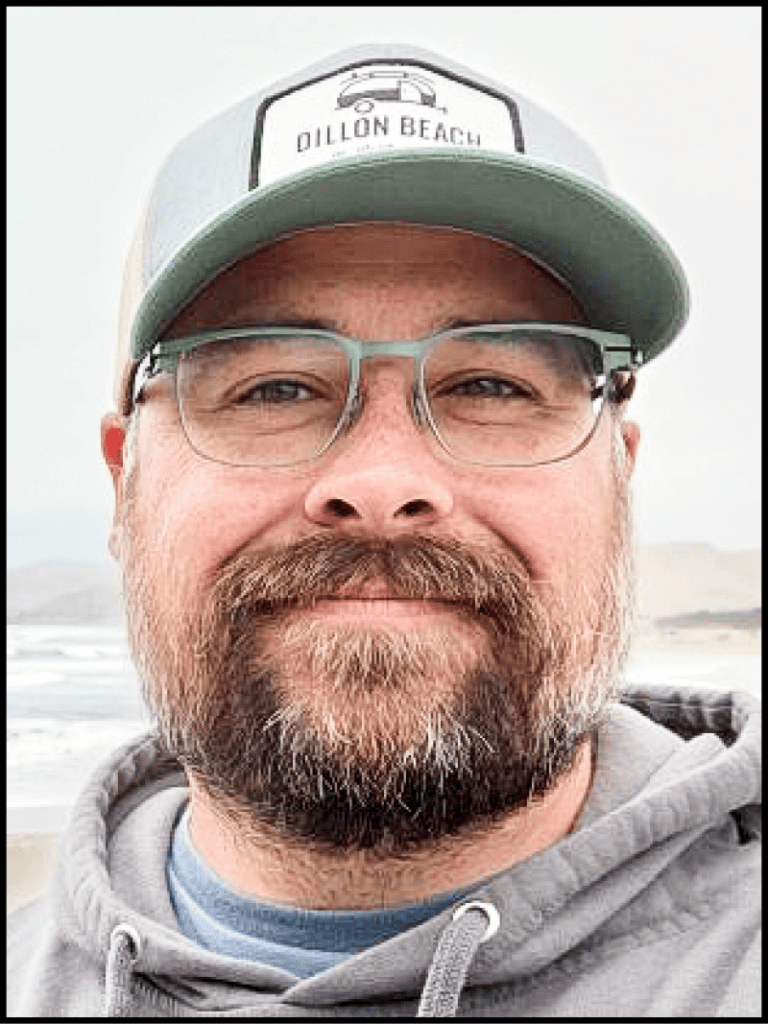
Juan Garcia
Associate Health Physicist
California Department of Public Health’s Radiologic Health Branch
Juan Garcia is an Associate Health Physicist in California Department of Public Health’s Radiologic Health Branch. In early roles, he worked as an x-ray inspector and member of the Radiological Assessment Unit where he supported environmental radiation monitoring, decontamination and decommissioning of nuclear facilities, confirmatory surveying and sampling, radiological dose and risk assessment, and offsite environmental radiation monitoring at nuclear power plants. He is currently focused on statewide radiological emergency planning, is the FEMA ROSS Coordinator for California, and provides community and responder outreach and training on radiation.

Janet Gutierrez, CHSP, MBA(c)
Manager of Environmental Health and Safety
NorthBay Health
Janet Gutierrez is the Manager of Environmental Health and Safety at NorthBay Health, where she oversees environmental health and safety programs supporting multiple healthcare facilities. Prior to joining NorthBay Health, Janet led the Emergency Management and Environment of Care programs at Sutter Delta Medical Center, where she coordinated multidisciplinary emergency preparedness initiatives, regulatory readiness, health care coalition activities, regional exercises, and partnerships with local, regional, and state agencies. Earlier in her career, she supported emergency preparedness efforts with Contra Costa County and Tehama County Public Health, experiences that shaped her collaborative approach to healthcare emergency management.

Chad Hopponen
NARAC Operations Specialist
Lawrence Livermore National Laboratory
Chad Hopponen is a Certified Health Physicist at Lawrence Livermore National Laboratory. Chad brings nearly 30 years of health physics experience to his current full-time position within the US Department of Energy’s Nuclear Emergency Support Team (NEST) at the Radiological Assistance Program, Region 7 (RAP7). As a Regional Coordinator, Chad is responsible for training RAP7 personnel to ensure the team can sufficiently assist with interoperability and overall preparedness of RAP7 as well as the various partner agencies which could respond to a radiological/nuclear incident or accident. Chad’s experience in the field of health physics began in the 1990’s within the US Naval Nuclear Propulsion Program.
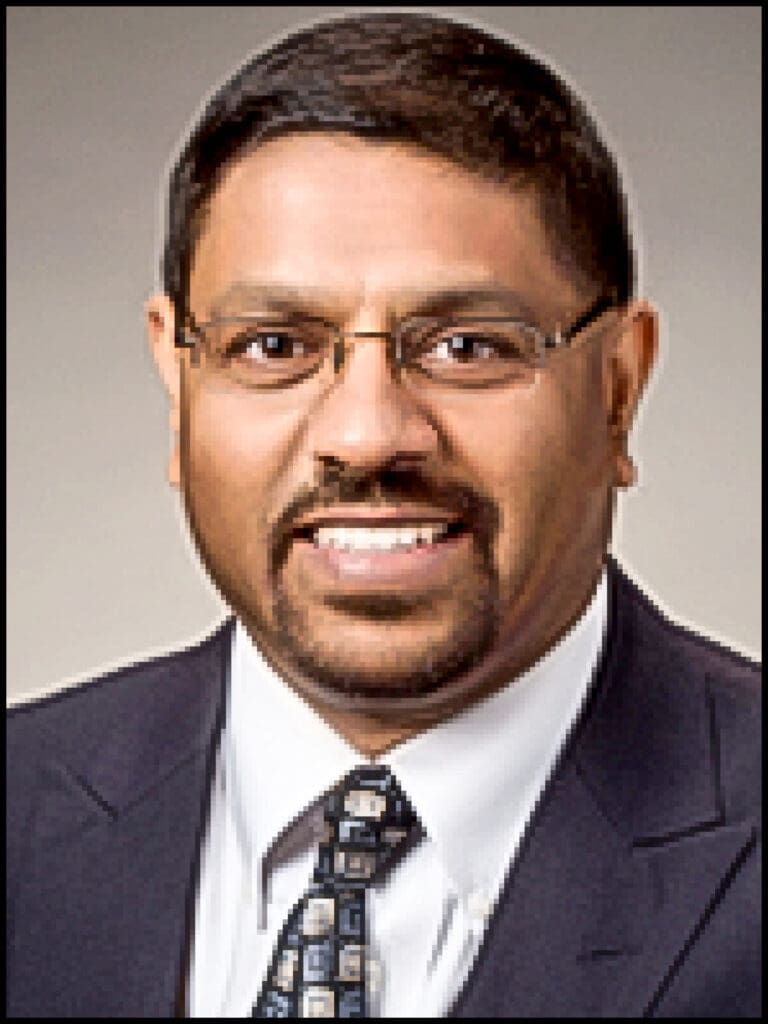
Narsimha Irrinki, MS, P.E., CHFM, CHC, CPE, CPD, FASHE
Director, Facilities
Santa Clara Healthcare
Narsimha Irrinki, MS, P.E., CHFM, CHC, CPE, CPD, FASHE, is a seasoned health care facilities executive with more than 30 years of experience leading complex hospital operations, regulatory compliance programs, and infrastructure resilience initiatives. He currently serves as a Facilities Executive at Santa Clara Valley Healthcare, providing strategic leadership for engineering, environmental services, food services, security, life safety, environmental health and safety, planning, design and construction, and infrastructure emergency management across four hospitals and an extensive network of ambulatory clinics. Narsimha also serves as a Joint Commission Life Safety Code (LSC) Surveyor.
James Lawler, MD, MPH, FIDSA
Associate Director, Global Health Center for Health Security
University of Nebraska Medical Center
Dr. James Lawler is Associate Director of the Global Center for Health Security, Deputy Medical Director for the Nebraska Biocontainment Unit, and Professor of Medicine in Infectious Disease at the University of Nebraska Medical Center. Dr. Lawler’s career has focused on emerging infectious diseases, pandemic preparedness, and global health. He previously served in national biodefense and health security policy positions in the White House during the Bush and Obama administrations, research positions at the US Military Research Institute for Infectious Diseases (USAMRIID) and the Naval Medical Research Center, and as Chief Medical Officer for the NIAID Integrated Research Facility at Fort Detrick. Dr. Lawler’s operational experience includes evacuation of American citizens from the cruise ship Diamond Princess quarantined for COVID-19 in Yokohama, Japan; multiple viral hemorrhagic fever outbreaks in Africa; humanitarian relief on the hospital ship USNS Comfort; and the NATO Role 3 Multinational Medical Unit in Kandahar, Afghanistan. He retired from the US Navy Medical Corps in 2017 after 21 years of active service.
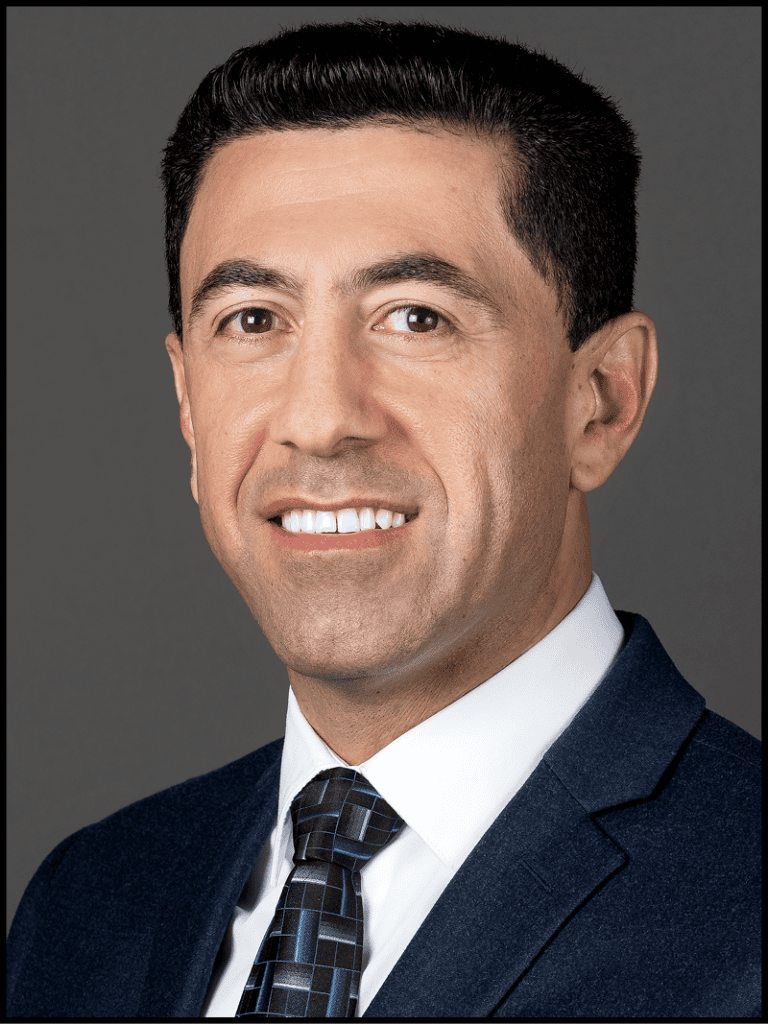
Muhsin Lihony, AIA
National Director of Healthcare Practice
LPA, Inc.
Muhsin Lihony is the National Director of Healthcare Practice at LPA, Inc. Muhsin Lihony has dedicated more than three decades to shaping state-of-the-art, high-performing, cost-effective health care environments that improve patient care, enhance efficiency and adapt to a rapidly evolving industry. He leads LPA’s national health care practice, working with clients to develop innovative care models that are strengthening the relationships between providers, patients and communities. His expertise spans every phase of health care project delivery, from planning and design to construction and operations.

Chris Martin
Business Continuity Manager
City of Hope National Medical Center
Chris Martin has spent 26 years in operational resiliency, specializing in business continuity, enterprise risk management, crisis and emergency management, and IT Disaster Recovery. He has managed global and enterprise-level programs that strengthened operational resilience across health care, finance, manufacturing, transportation, and entertainment sectors and has built effective programs from the ground up or enhanced existing resiliency processes within organizations. Chris ensures excellent communication with executive leadership and business departments to enhance resiliency preparedness and deliver quality service and desired results.

Kate McHugh
Project Manager
California Department of Public Health
Kate McHugh is a project manager for the Center for Preparedness and Response at the California Department of Public Health. Among other projects, she is the lead project manager for the Hospital Bed and EMS Data System (HBEDS) that is housed within the Center for Preparedness and Response’s Intelligence Hub.

Scott Murphy, MBA
Director of Construction
City of Hope National Medical Center
Scott Murphy, MBA, is currently the Director of Construction at City of Hope National Medical Center. His background includes leadership roles at City of Hope and UCLA, where he managed hospital, research, instructional, and infrastructure projects in active campus environments. He is known for building collaborative relationships across planning, operations, finance, compliance, and project teams to deliver practical, mission-aligned construction solutions.

Anjay Parthasarathy
Homestead High School Senior
Emergency Evacuation Committee Lead, Santa Clara County Office of Education
Anjay Parthasarathy serves as the Emergency Evacuation Committee Lead in partnership with the Santa Clara County Office of Education (SCCOE) under the mentorship of School Sites Emergency Safety Lead, Michael Vallez. In this role, he spearheads a task force revamping regional emergency protocols and developing visual evacuation applications specifically engineered to preserve routing awareness for Deaf and Hard-of-Hearing (DHH) youth during active crises. An independent researcher in atmospheric science prediction models and a physics competitor, Anjay explores utilizing accessible models to eliminate communication issues in disasters.
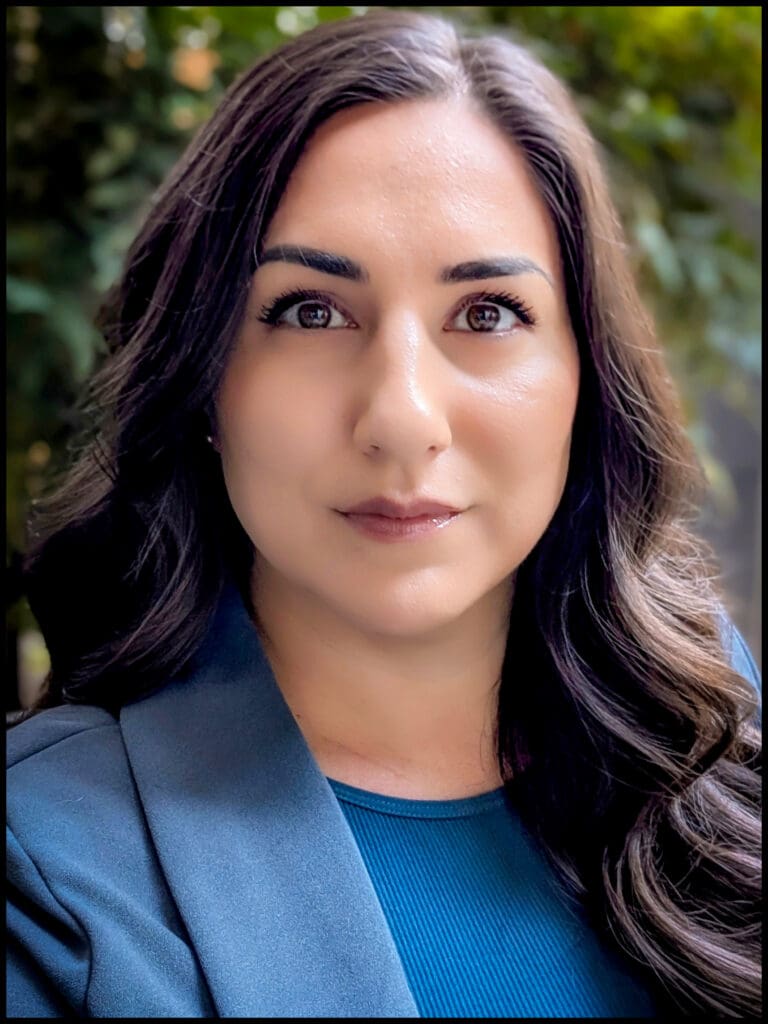
Ruth Raisner, MPH, CEM
Manager, Emergency Management & Continuity
NorthBay Health
Ruth Raisner serves as the Emergency Manager for NorthBay Health System, where she leads the organization’s Emergency Management Program. Her work focuses on developing comprehensive emergency response plans, delivering training and education, and coordinating exercises that enhance readiness, improve patient care, and strengthen collaboration across agencies. With over a decade of experience, she has supported emergency activations for COVID-19, wildfires, PSPS events, and has led multi-jurisdictional full-scale exercises focused on community engagement.
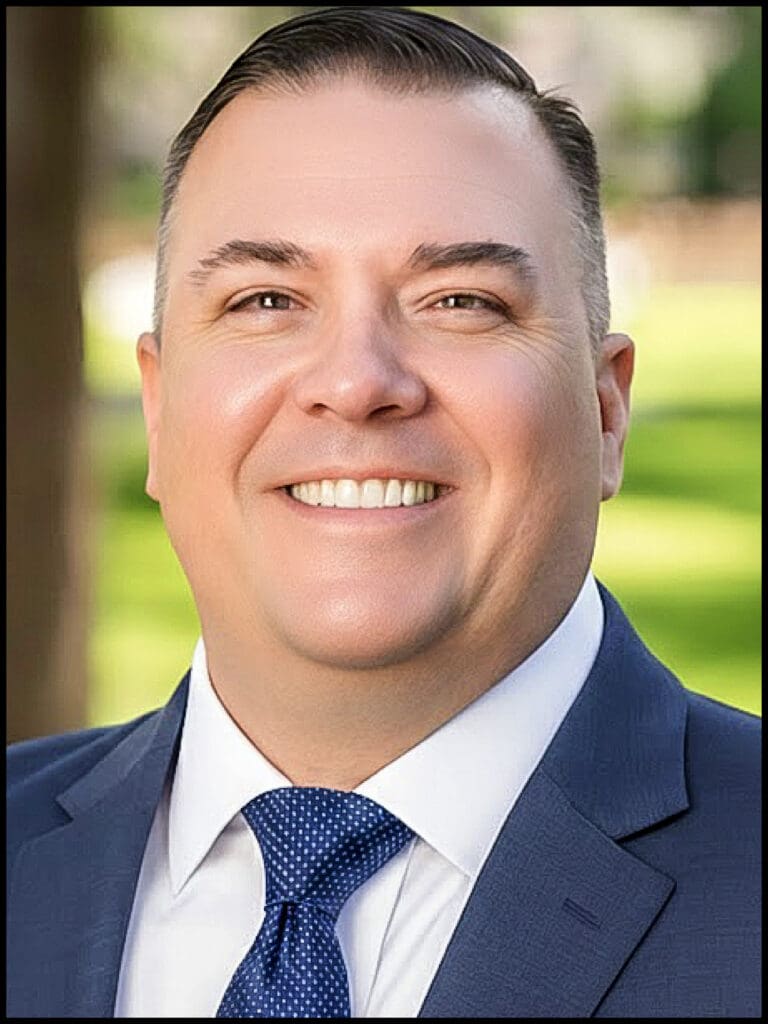
Mark Reed, MBA, CHPA
Executive Director of Security, Emergency Management, and Transportation
City of Hope
Mark Reed is currently the Executive Director of Security, Emergency Management, and Transportation at City of Hope. He was previously the Director of Support Services at MLK Jr. Community Healthcare in Los Angeles, CA. Mark is a Board-Certified Healthcare Protection Administrator (CHPA) and is currently an Adjunct Professor at Concordia University teaching courses in the Masters Healthcare Administration program. He has held leadership and volunteer roles with professional organizations focused on health care security, safety, and operations, and has been recognized nationally for his influence in the security field.
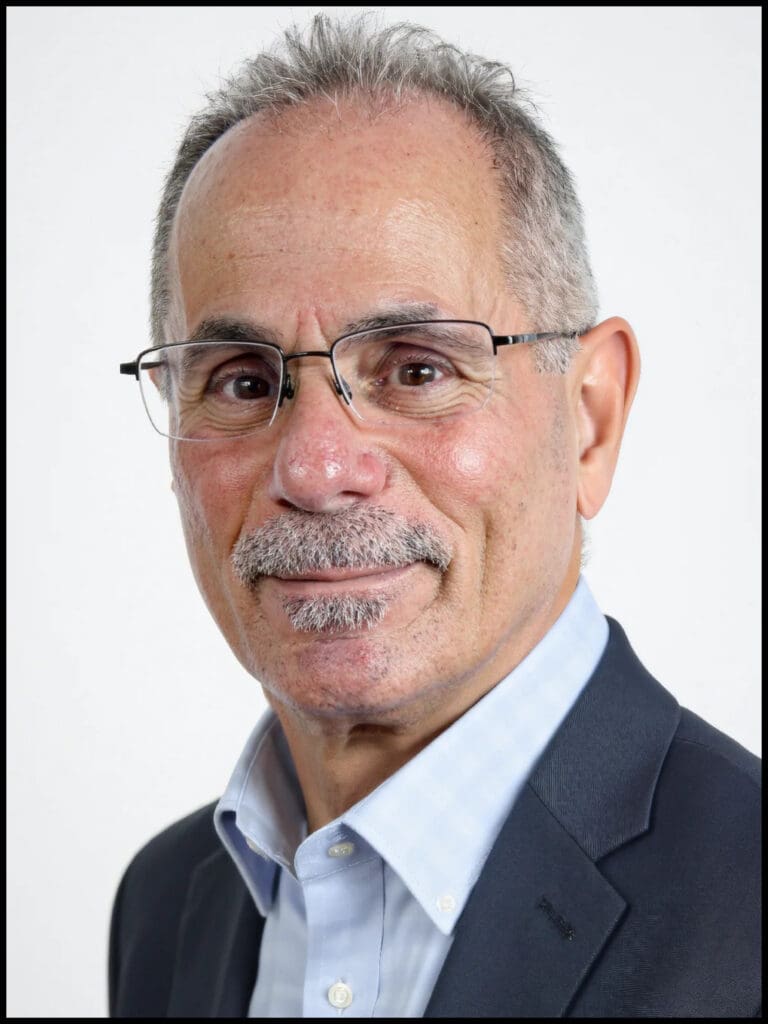
Christopher Riccardi, CHSP, CHEP
Manager of Emergency Management and Business Continuity
Rady Children’s Hospital of Orange County
Christopher Riccardi, CHSP, CHEP, is the Manager of Emergency Management and Business Continuity for Rady Children’s Hospital of Orange County, where he leads enterprise-wide emergency preparedness, response, recovery, and business continuity programs. Chris serves as Chair of the Southern California Pediatric Disaster Coalition, Chair of the Orange County Health Care Coalition Hospital Advisory Committee, and Co-Chair of the School and Hospital Alliance for Response in Emergencies (SHARE), where he fosters collaboration among hospitals, school districts, higher education, and public agencies to improve disaster preparedness and pediatric response.
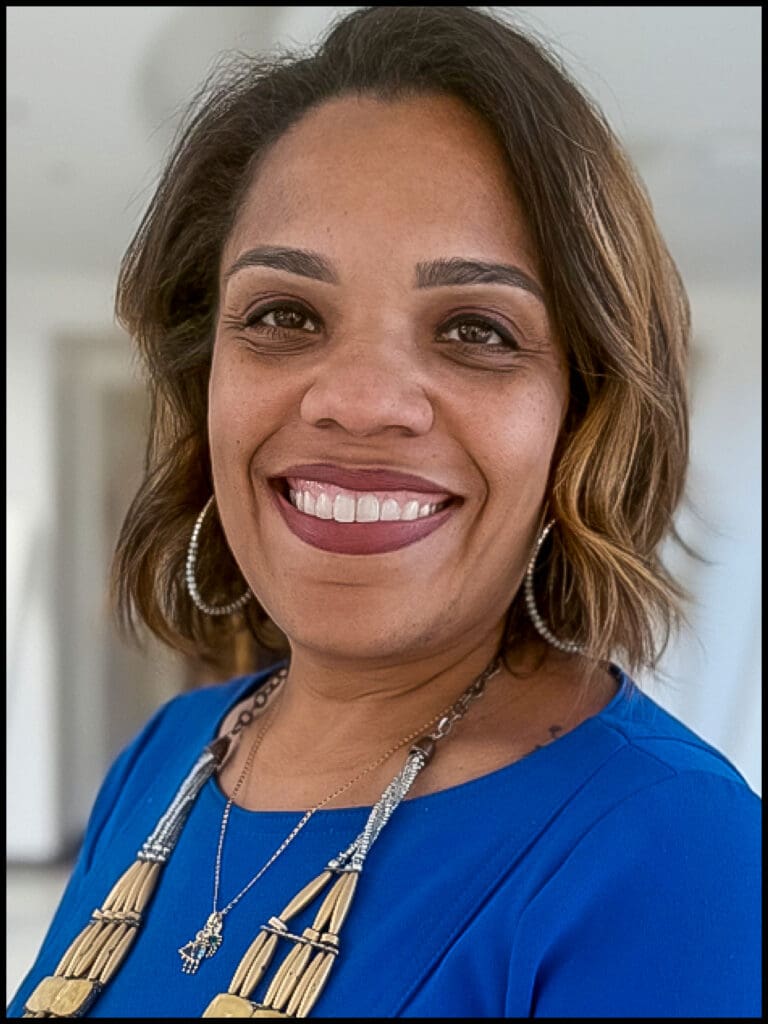
Sabrina N. Robinson, FACHE, MBA
Chief Operating Officer
Zuckerberg San Francisco General Hospital
Sabrina N. Robinson, FACHE, MBA, serves as the Chief Operating Officer at Zuckerberg San Francisco General Hospital (ZSFG). In this role, she provides executive oversight for Imaging and Radiology, Capital Planning with a portfolio of over $500 million, and a broad array of Support Services, including Food and Nutrition Services, Environmental Services, and Clinical Engineering. She also maintains collaborative, matrixed relationships with SFHN Rehabilitation Services, Materials Management, and the UCSF Clinical Laboratory. Sabrina is the executive co‑sponsor of the ZSFG Workplace Safety (WPS) Divisional Committee and co‑chairs the San Francisco Department of Public Health Operational Security and Safety Committee.
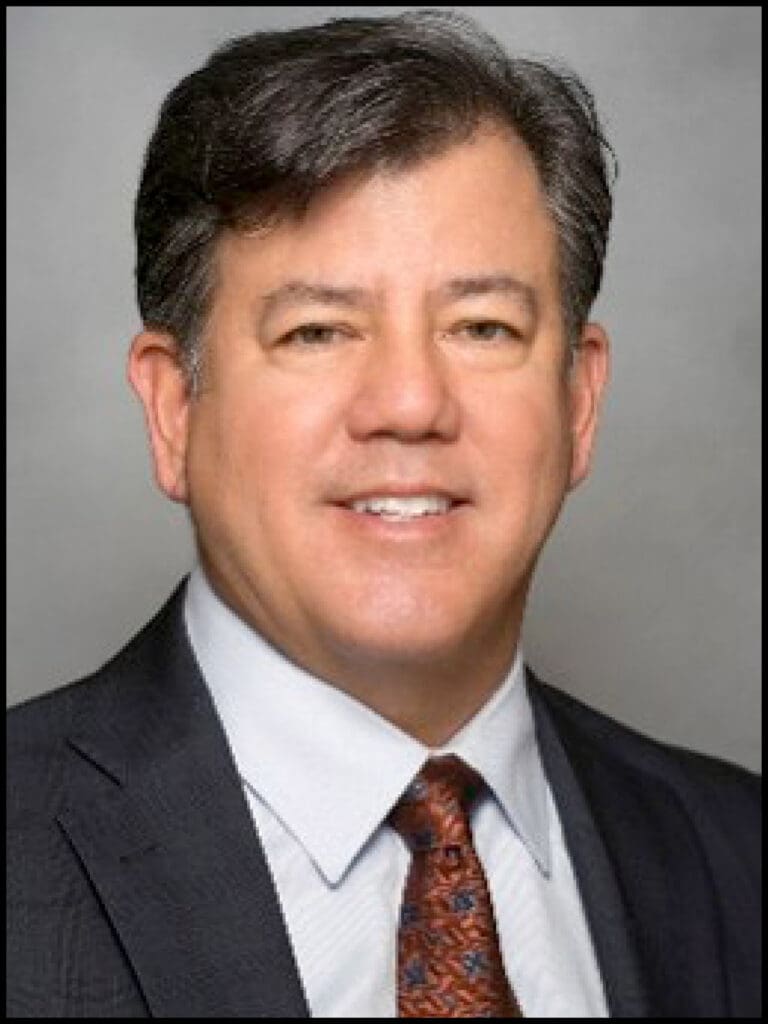
Mitchell W. Saruwatari
Director of National Emergency Management
Kaiser Permanente
Mitchell W. Saruwatari is the Director of National Emergency Management for Kaiser Permanente, where he leads enterprise‑wide emergency preparedness, response, and resilience operations across regional and national command centers. He has nearly three decades of experience in health care, public health, and emergency management, with expertise in incident management, business continuity, regulatory compliance, and large‑scale disaster response. Mitch is an Adjunct Assistant Professor in the Master of Science in Emergency Management program at the University of Southern California and an instructor and curriculum developer with FEMA’s Center for Domestic Preparedness.
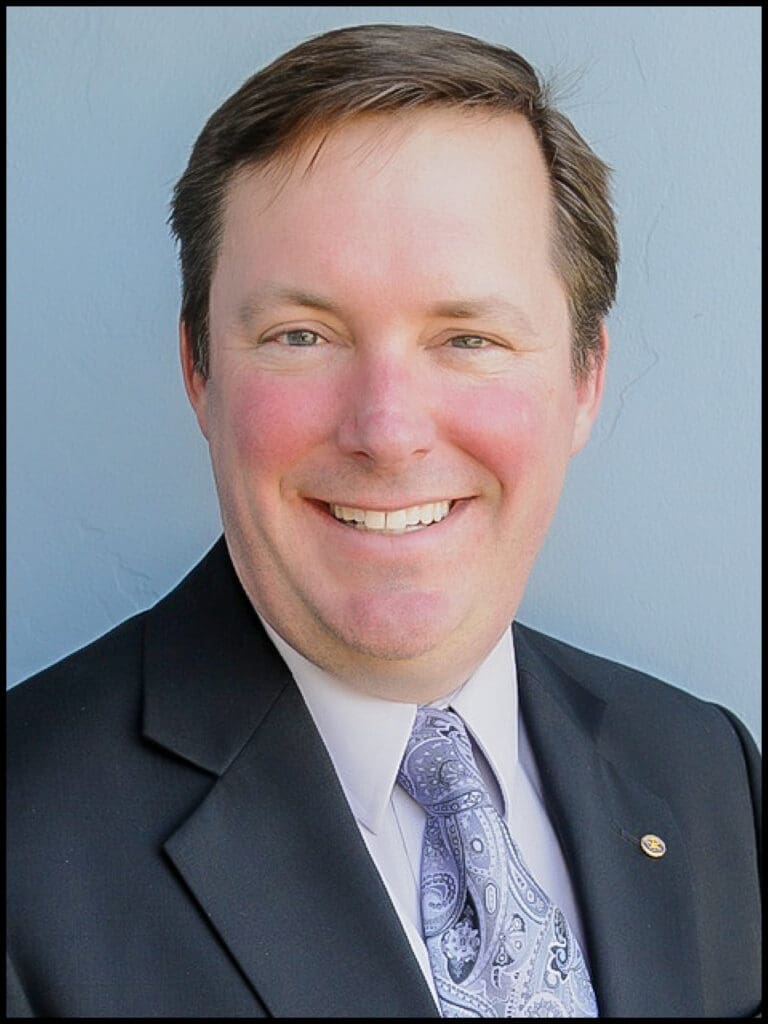
Mark Shirley, MS, CSP, CHMM
Senior Director of Emergency Management and Environmental Health & Safety
Sutter Health
Over the past 30+ years, Mark Shirley has advanced emergency management and environmental health and safety across Sutter Health, providing systemwide leadership for preparedness, regulatory compliance, safety operations, and risk reduction. As Senior Director of Emergency Management and Environmental Health & Safety, he leads enterprise-level strategy and provides guidance for EM and EH&S operations across the organization. An accomplished health care safety and emergency management leader, Mark has contributed to several influential national and statewide committees.
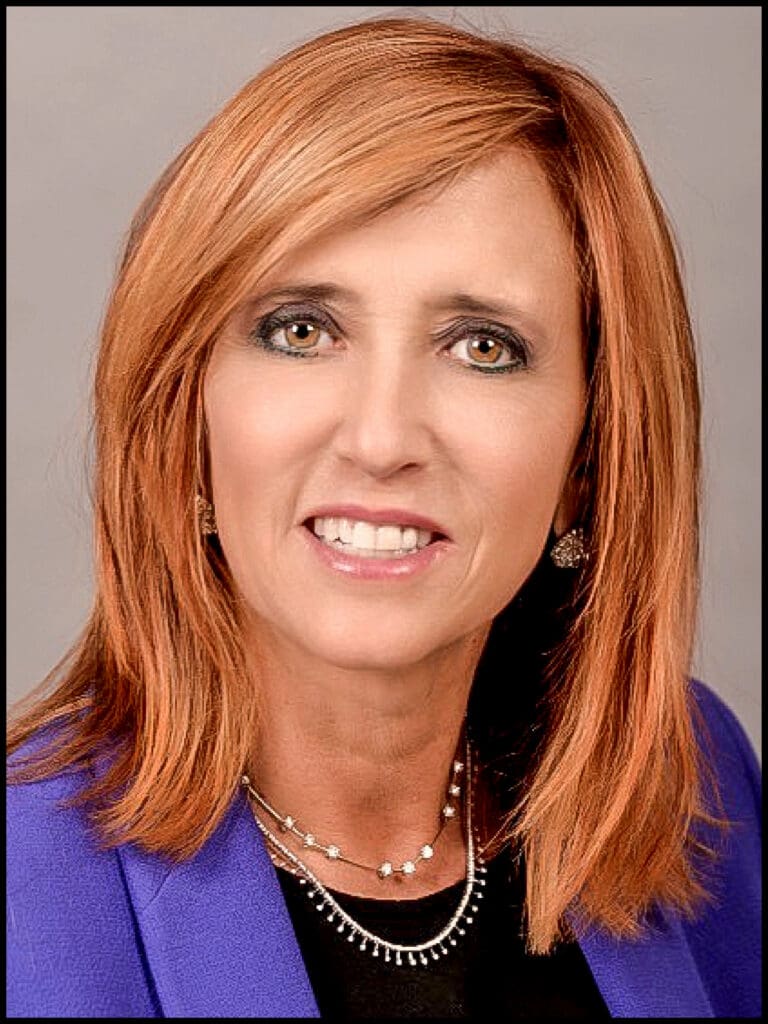
Dorita Ann Sondereker, RN, BSN, MSN, CEN, CFRN, CMTE, TCRN
Hospital Administrator
San Diego County Psychiatric Hospital
Dorita Ann Sondereker was the administrative director for Emergency Services at Sunrise Hospital, a 1000-bed acute care hospital and member facility of Hospital Corporation of America’s (HCA) Sunrise Health System in Las Vegas, NV, during the time of the Route 91 Festival Massacre. Sondereker was responsible for a 90-bed adult emergency department, Level II trauma center, rapid response team, and 33-bed behavioral health unit that received more than 177,000 annual visits making it the largest ER in the state of Nevada. Sunrise Hospital is the closest facility to the Las Vegas strip and plays host to more than 44,000 EMS offloads and more than 3000 annual trauma visits.
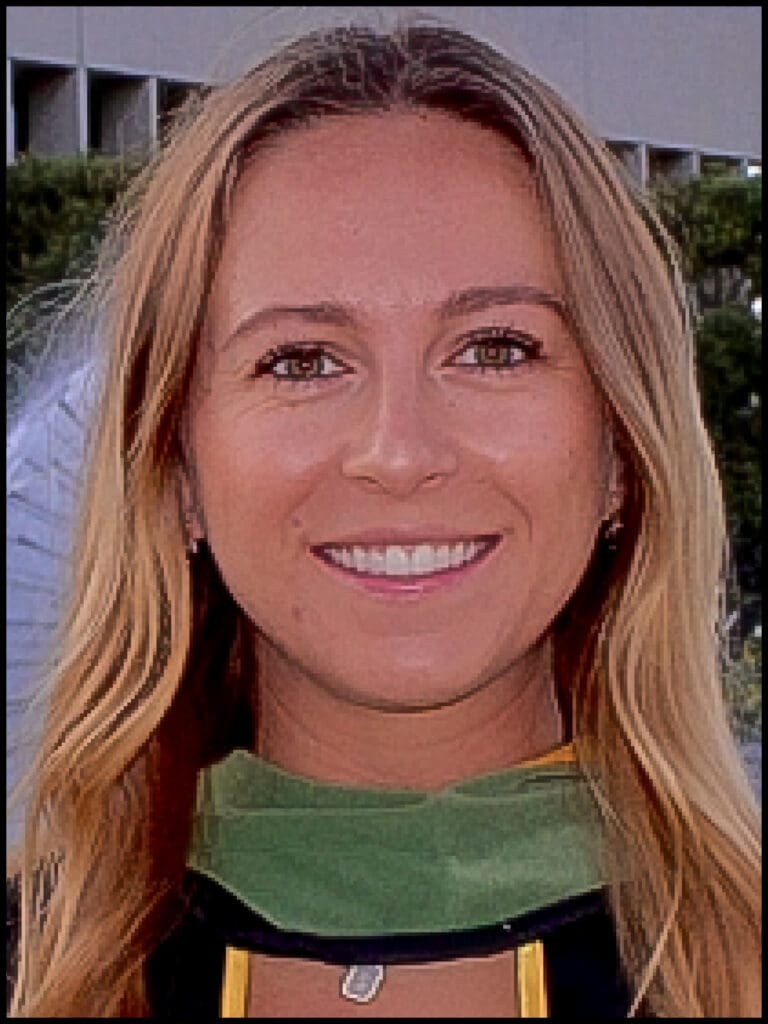
Sidney Spacher
Emergency Management Specialist
City of Hope National Medical Center
Sidney Spacher is an Emergency Management Specialist at City of Hope National Medical Center specializing in health care emergency preparedness, disaster response, training and exercises, and regulatory compliance. She has experience supporting hospital, public health, and local government emergency management programs. Her professional interests include health care resilience, disaster preparedness, incident command, evacuation planning, and continuity of operations.
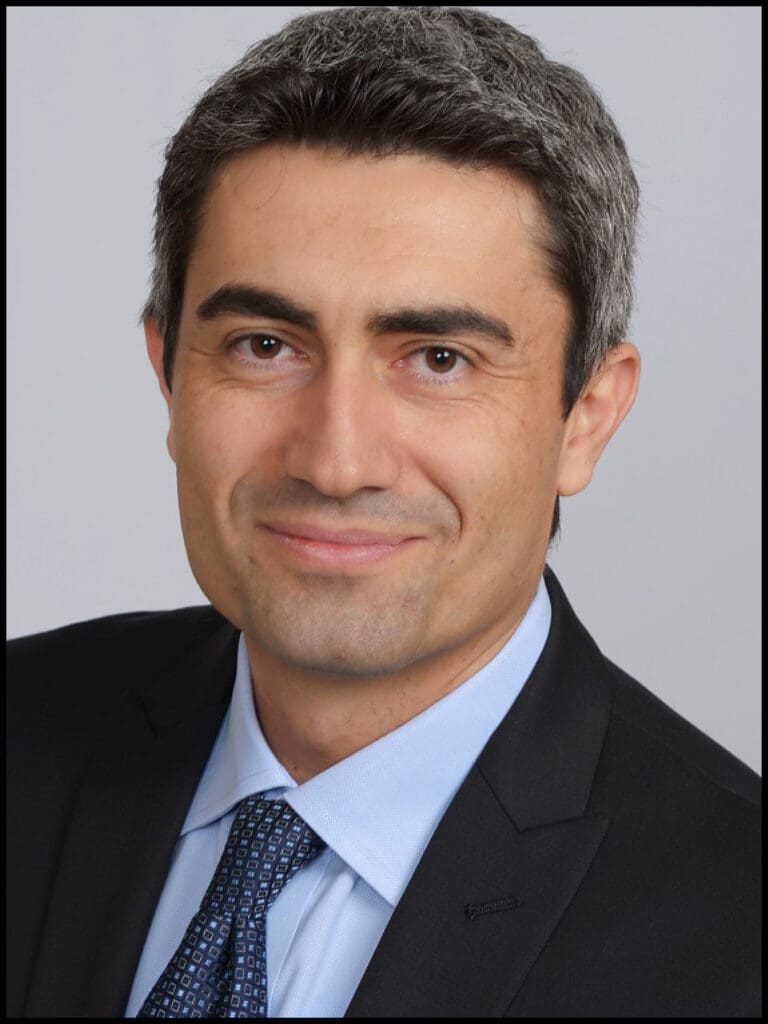
Ali Sumer, Ph.D, S.E.
Supervisor, Seismic Compliance Unit
Department of Health Care Access and Information (HCAI)
As a structural engineer, Ali Sumer has nine years of experience in the private sector and twelve years in government. Currently, he manages the hospital seismic retrofit program at the California Department of Health Care Access and Information (HCAI), where he also contributes to the HCAI Emergency Operations Center during disasters. He serves on several code committees and previously served as president of SEAOC Central.

Andrea (Andi) Tenner, MD, MPH, FACEP
Director, Public Health Emergency Preparedness and Response City and County of San Francisco Department of Public Health
Andrea (Andi) Tenner, MD, MPH, FACEP is a board-certified physician in both emergency medicine and internal medicine. She is currently serving as the Director for Public Health Emergency Preparedness and Response for the City and County of San Francisco, a Professor in the Department of Emergency Medicine at the University of California, San Francisco (UCSF), and is UCSF Global Health Sciences Affiliate Faculty. Her career focus has been disaster preparedness and response, leading teams in crisis, and strengthening health and emergency care systems in the pre- and post-disaster setting. She continues to work clinically in the emergency department at Zuckerberg San Francisco General Hospital. Additionally, she has spent the past 9 years studying nuclear detonation and management in the hospital setting and contributed to the pilot for the CDC’s Public Health Decision Making in a Radiologic Emergency course.

Jason To
Special Agent
FBI, Los Angeles Division
FBI Special Agent Jason To is assigned to the FBI Los Angeles Division, where he is currently assigned to the FBI Los Angeles Counterterrorism Critical Incident Response Teams as a Weapons of Mass Destruction (WMD) Coordinator. He has conducted complex WMD assessments and investigations, emergency planning and preparedness, and critical incident and crisis responses. Prior to being an FBI WMD Coordinator, he was the leader of an FBI Los Angeles Transnational Organized Crime Task Force where he was the lead FBI agent conducting multiple complex criminal investigations targeting street gangs and sophisticated organized crime groups. Special Agent To also served as an FBI Instructor, FBI Defensive Tactics Instructor, and FBI Active Shooter Response Instructor.
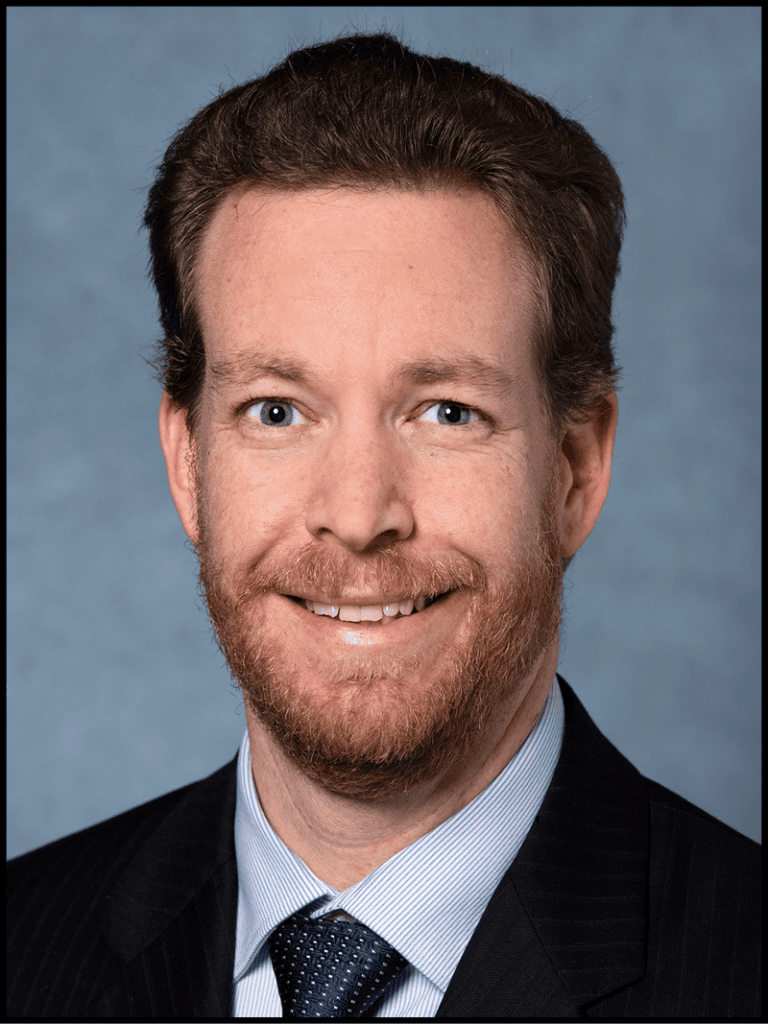
Ryan Tuchmayer, MPH, CEM
Director, Emergency Management
Cedars-Sinai Medical Center
Ryan Tuchmayer is the Director of Emergency Management at Cedars-Sinai Medical Center. He organizes the medical center’s emergency preparedness and response efforts, including as a Co-PI for the Region 9 Emerging Special Pathogen Treatment Center. Ryan also co-leads the Westend Disaster Resource Center, which coordinates preparedness efforts among umbrella hospitals, clinics, and pre-hospital providers in the Western region of LA County.
Early Bird Members: $399*
Early Bird Associate Members and Government Entities: $399*
Early Bird Nonmembers: $1000*
*Early bird pricing expires on August 24, 2026.
Members: $499
Associate Members and Government Entities: $499
Nonmembers: $1100
Members are CHA member hospitals. Nonmembers are non-hospital health care providers, clinics, and post-acute facilities that serve hospitals. Education programs and publications are a membership benefit and are not available to eligible non-member California hospitals.
Cancellation Policy
A $75 non-refundable processing fee will be retained for each cancellation. Cancellations must be made in writing seven or more days prior to the scheduled event and emailed to education@calhospital.org. No refunds will be given after these dates. Substitutions are encouraged. Cancellation and substitution notification may be emailed to education@calhospital.org. In the unlikely event that the program is cancelled, refunds will be issued to paid registrants within 30 days.
Special Accommodations
If you require special accommodations pursuant to the American’s with Disabilities Act, please call (916) 552-7637.
Photography
CHA will photograph this event. If you prefer not to be photographed, please email CHA Education.
Riverside Convention Center
3637 Fifth Street
Riverside, California 92501
(951) 346-4700
Marriott Riverside at the Convention Center
3400 Market Street
Riverside, CA 92501
(951) 784-8000
The Marriott Riverside at the Convention Center no longer has rooms available at the group rate.
If overnight accommodations are needed, below is a listing of alternative hotels nearby the Convention Center.
Mission Inn Hotel & Spa – 1 block from the Riverside Convention Center
3649 Mission Inn Avenue
Riverside, CA 92501
(951) 784-0300
Hyatt Place Riverside – Downtown – Adjacent to the Riverside Convention Center
3500 Market Street
Riverside, CA 92501
(951) 321-3500
Hampton Inn Riverside – Downtown – Adjacent to the Riverside Convention Center
3505 Market Street
Riverside, CA 92501
(951) 788-5000
Home 2 Suites – Downtown – Adjacent to the Riverside Convention Center
3870 5th Street
Riverside, CA 92501
(951) 344-3100
Full attendance at the educational event is required to receive professional continuing education (CE) credit. To claim credit, attendees must complete the post-event survey within three months of the conference, attest to their participation and, when required, provide a professional license number.
CE credit will not be issued after the three-month deadline. Certificates will be emailed approximately three weeks after all requirements have been completed. Lunch and breaks are not included for continuing education credit. The amount of CE credit offered is subject to change.
Compliance — The Compliance Certification Board (CCB)® has approved this event for up to 9.6 Live CCB CEUs, based on a 50-minute hour, each. Continuing Education Units are awarded based on individual attendance records. Granting of prior approval in no way constitutes endorsement by CCB of this event content or of the event sponsor.
Healthcare Executives — CHA is authorized to award 8.0 hours of pre-approved ACHE Qualified Education credit for this program toward advancement, or recertification, in the American College of Healthcare Executives. Participants in this program who wish to have the continuing education hours applied toward ACHE Qualified Education credit must self-report their participation. To self-report, participants must log into their MyACHE account and select ACHE Qualified Education Credit.
Nursing — Provider approved by the California Board of Registered Nursing, Provider Number 11924 for 8.0 contact hours.
Risk Management — This meeting has been approved for a total of 8.0 contact hours of Continuing Education Credit toward fulfillment of the requirements of ASHRM designations of FASHRM (Fellow) and DFASHRM (Distinguished Fellow) and towards CPHRM renewal.
If you would like to sponsor or exhibit at the Disaster Planning conference, contact Lisa Hartzell at lhartzell@calhospital.org.
The California Hospital Association would like to thank our 2026 annual conference sponsors and exhibitors!
Platinum Sponsor:

Gold Sponsor:



Silver Sponsor:







Exhibitors to Date:
- All Over Communications
- ATI Restoration
- California Department of Public Health (CDPH)
- California Poison Control System
- Carecubes
- Deployed Logix
- Emergency Medical Services Authority (EMSA)
- Ethos Evacuation Strategies
- Everbridge
- Evolv Technology
- FORTS USA
- General Devices
- Guest Communications Corporation (GCC)
- HDT Global
- Industrial Emergency Council (IEC)
- Juvare
- Meals for All
- Motorola Solutions
- Professional Renovation Services
- ReddiNet
- Rescue 42
- RRS Patient Decontamination
- Safehub
- Silentia
- SOS Survival Products
- Southern California Edison
- True Rescue/ Cubix Safety
- Userful
- Valcom
- Veoci
- Western Regional Alliance for Pediatric Emergency Management (WRAP-EM)
- Western Shelter