
About Emergency Preparedness
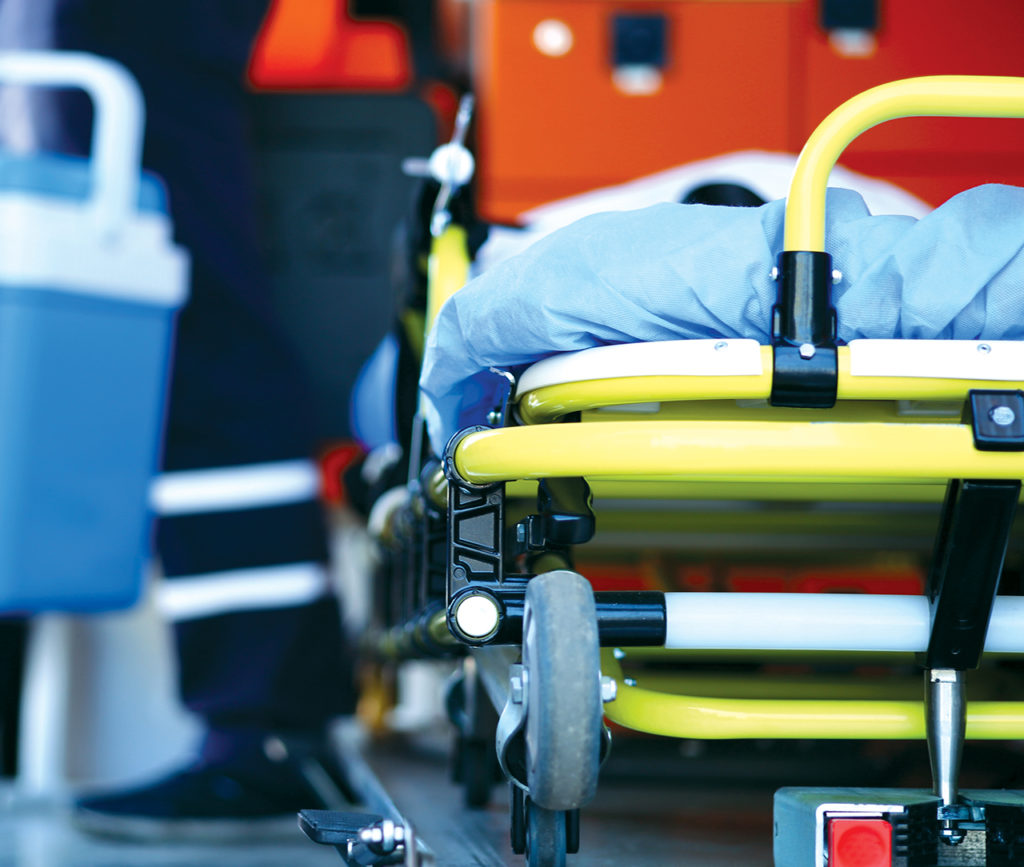
It’s time to change the way California thinks about disaster response. The COVID-19 pandemic showed that hospitals can quickly mobilize to provide flexible approaches to patient care during a disaster. The state must draw upon these lessons to prepare differently so the next crisis will be less severe. Given California’s size and complexity, the health care disaster response system of the future must be nimble enough to respond to any catastrophe. View more information on hospital disaster preparedness.
Preparing for The Joint Commission Emergency Management Survey
2021 Virtual Disaster Conference
The Joint Commission accredits and certifies more than 22,000 health care organizations and programs in the United States. It is the nation’s oldest and largest standards-setting and accrediting body in health care. This presentation discusses changes to the Emergency Management survey process, provides an overview of the review tool, and lays out the updated standards and elements of performance.
2024 Disaster Planning Conference Resources
“Remember – When disaster strikes, the time to prepare has passed.”
Steve Cyros
Advanced warning of an impending disaster saves lives. So can advanced preparation and planning. The California Hospital Association (CHA) wants its members prepared for any emergency. Part of that preparedness is attending the CHA Disaster Planning Conference in September.
Hospital Disaster Preparedness Self-Assessment Tool
This assessment tool was developed to assist hospitals in revising and updating existing disaster plans or in the development of new plans. The tool was originally used by a subject matter expert survey team to collect data for a Department of Homeland Security grant so it is constructed in a survey format. The data was […]
Activating Hospital Emergency Operations Plans
Hospitals are required to have an Emergency Operations Plan (EOP) detailing plans for responding and recovering from hazards. The plan must include 6 critical elements within The Joint Commission’s Emergency Management Standards:
The Buffer Zone: A Novel Approach to MCI Surge in the Era of Hospital Crowding – Participant Information
Public health and health care preparedness and response are key facilitators in managing wildfires and extreme heat events. Health systems see medical surge, increased patient comorbidities, and increased resource needs when communities are affected by climate extremes. This presentation will provide an overview of an ongoing project between the University of California’s Center for Climate, Health and Equity, and the San Francisco Department of Public Health (SFDPH) to strengthen and streamline the city’s emergency response plans and protocols for climate-related events.
Preparing for Extreme Heat and Smoke Impact in Clinical Settings – Participant Information
Public health and health care preparedness and response are key facilitators in managing wildfires and extreme heat events. Health systems see medical surge, increased patient comorbidities, and increased resource needs when communities are affected by climate extremes. This presentation will provide an overview of an ongoing project between the University of California’s Center for Climate, Health and Equity, and the San Francisco Department of Public Health (SFDPH) to strengthen and streamline the city’s emergency response plans and protocols for climate-related events.
Change Cyberattack Hospital Impacts Webinar – Participant Information
Following the late February ransomware attack that shut down Change Healthcare — the largest health care payment system in the country — patients, hospitals, and other providers continue to reel from the effects. Learn about the steps CHA and our national partners are taking to advocate for impacted hospitals and minimize the fallout. CHA will provide updates...
2023 Disaster Planning Conference
Restore our purpose.
Refocus on what’s ahead.
Learn new things.
For three years, the pandemic response has taken our attention and resources. We can’t forget there are other disasters that need our focus. From earthquakes and floods to violence in our facilities, disaster teams have been prepared to care for our communities, yet we can’t forget about ourselves in the process.
Cyberattack: Preparing for and Reacting to a Breach — Participant Information
“Hospitals with a cybersecurity plan in place prior to an attack have a better chance at minimizing damage.” Mary Massey, CHA Vice President of Emergency Management The Internet represents one of the biggest tools hospitals utilize to function successfully. It is also one of the largest vulnerabilities. Safeguarding devices, networks, and data from cyberattacks is […]
The Future of California’s Emergency Medical Services System — Participant Information
“Alone we can do so little; together we can do so much.”
Hellen Keller
CHA is bringing together EMS partners from multiple emergency services organizations to provide an overview of the future landscape of emergency medical services (EMS) in California. Liz Basnett, Director of the California Emergency Medical Services Authority, will provide a high-level overview of the California EMS System Strategic Plan and how it will serve as a guide for enhancing and improving emergency medical services. Additionally, hear from the Emergency Medical Services Administrators’ and Emergency Medical Services Directors’ Associations of California and the California Ambulance Association as they highlight their respective organizations’ efforts and 2024 priorities.