
About Emergency Preparedness
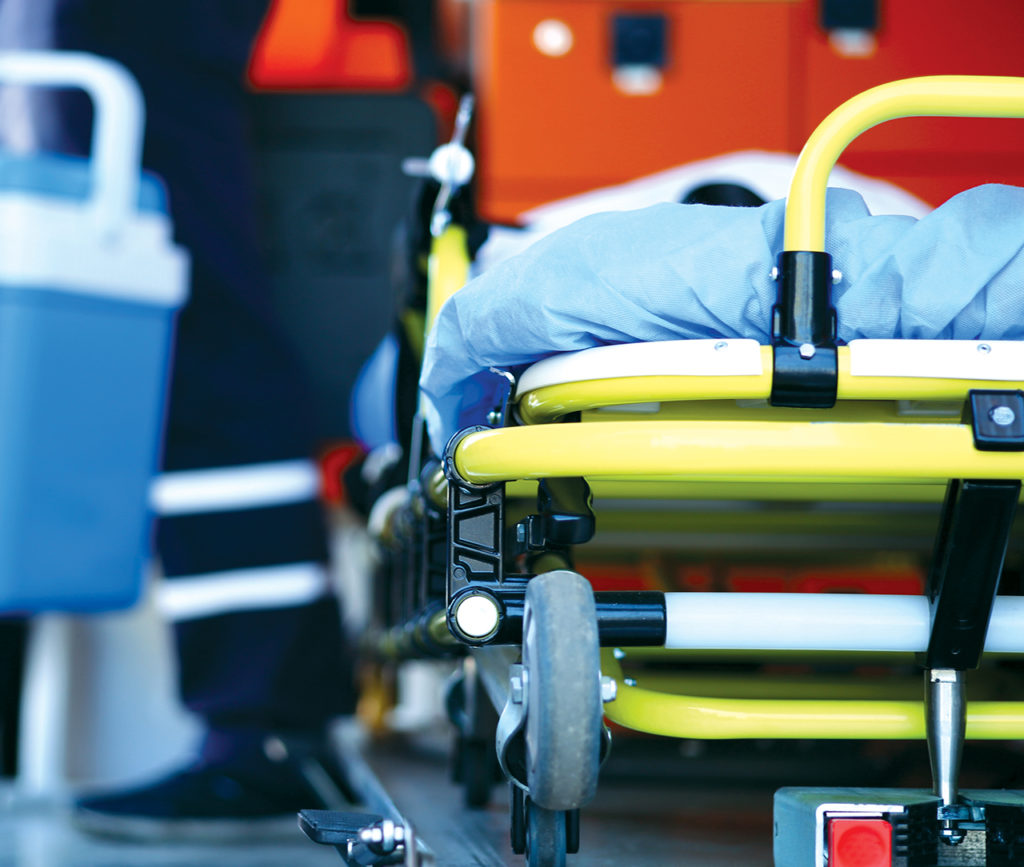
It’s time to change the way California thinks about disaster response. The COVID-19 pandemic showed that hospitals can quickly mobilize to provide flexible approaches to patient care during a disaster. The state must draw upon these lessons to prepare differently so the next crisis will be less severe. Given California’s size and complexity, the health care disaster response system of the future must be nimble enough to respond to any catastrophe. View more information on hospital disaster preparedness.
Business Continuity Planning Suite
This software was created for businesses to create, improve, or update their business continuity plans. The suite is scalable for optimal use by organizations of any size and consists of a business continuity plan (BCP) training, automated BCP and disaster recovery plan generators, and a self-directed exercise for testing an implemented BCP. Businesses can utilize this solution to maintain normal operations and foster resilience during a disruption.
Hospital Continuity Resources
These resources were developed to help hospitals prepare for and manage disruptions while maintaining critical operations.
Continuity 101
Presented by Angela Devlen at Wakefield Brunswick, this workshop aims to educate hospitals on establishing and maintaining a continuity program that will allow the continuation of essential clinical, research, business and administrative operations in the event of natural, technological, man-made or public health emergencies.
The Hospital Board’s Role in Disaster Readiness
Hospitals continue to fine-tune their local disaster readiness plans and further detail how they will work with regional teams when disaster strikes. Although hospitals’ board of trustees are not responsible for the development and implementation of disaster plans, it is the board’s fiduciary responsibility to ensure that a clear plan is in place and that the funding and resources necessary to carry out the plan are available.
Hospital Business Continuity Templates
These business continuity plan (BCP) templates and instruction manuals are provided by the Los Angeles County Emergency Medical Services (EMS) Agency to assist health care facilities develop their business continuity plans and meet the Hospital Preparedness Program’s Health Care Preparedness Capability.
Guide: Preparing for the Financial Impacts of a Disaster
To help members plan for and respond to the financial impacts impacts of disasters, the California Hospital Association has prepared this guide outlining considerations for hospitals as they develop a financial preparedness and response plan.
FCC Adopts Rule to Allow Hospital Use of Amateur Radios during Disaster Drills
Consistent with the blanket waiver request submitted by the American Hospital Association (AHA), the Federal Communication Commission has adopted an order that permits the use of HAM radios during hospital disaster drills.
Toolkit: Crisis and Emergency Risk Communication
This Crisis and Emergency Risk Communication Toolkit is designed to support writing and implementing a crisis communication plan that clearly defines hospitals’ goals, objectives and actions in response to a disaster. The toolkit also provides specific guidelines and instructions for communicating during emergencies. Download the Crisis and Emergency Risk Communication Toolkit
The Joint Commission Provides 2023 Emergency Management Update
2023 Disaster Conference
There are nearly 400 Joint Commission-accredited hospitals/critical access hospitals in California. This presentation provides information about:
California Hospital Emergency Code Survey
In 2014, the California Hospital Association surveyed hospitals about implementation of emergency codes, finding sustained progress in hospital emergency code implementation among California health care facilities.