
About Emergency Preparedness
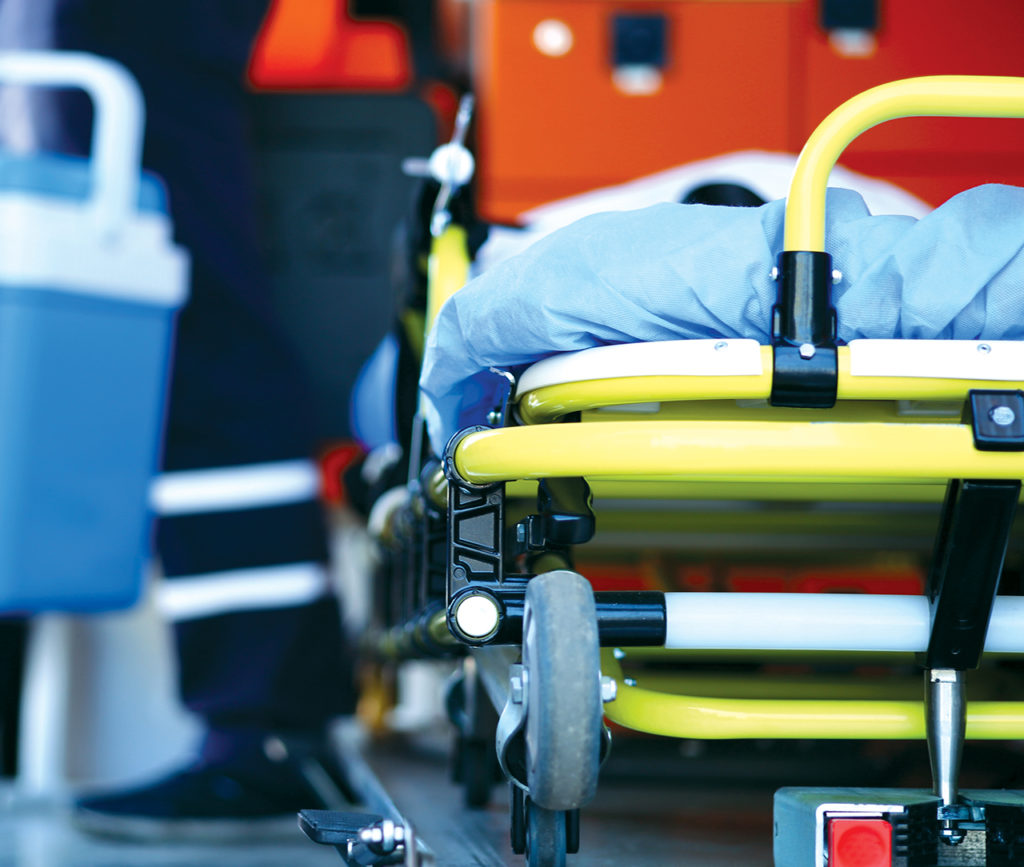
It’s time to change the way California thinks about disaster response. The COVID-19 pandemic showed that hospitals can quickly mobilize to provide flexible approaches to patient care during a disaster. The state must draw upon these lessons to prepare differently so the next crisis will be less severe. Given California’s size and complexity, the health care disaster response system of the future must be nimble enough to respond to any catastrophe. View more information on hospital disaster preparedness.
CHA Checklist: Hospital CEO H1N1 Response Planning
CHA’s Hospital Preparedness Program developed this checklist for hospital CEOs. It serves as a reference to ensure appropriate planning is occurring within hospital and health care organizations.
UC Health’s COVID-19 Command Centers
2020 Virtual Disaster Conference
Emergency Managers from UC Health share their COVID-19 response experiences.
Physician Redeployment During COVID-19 Surges
2021 Virtual Disaster Conference
This presentation focuses on the strategies used to redeploy physicians, as well as the training and mental health support provided by the program. Kaiser Permanente Northern California shares their redeployment strategies, including leveraging the interconnections of physicians within the KP Northern California health care system.
Building Crisis Standards of Care During COVID-19
2022 Disaster Conference
The pandemic has revealed weaknesses in the health care system and how we deliver care. The Emergency Department is often on the front line when making difficult decisions regarding care when resources become scarce. It is important to address this with education on crisis standards of care as well as scrutiny of existing models. This includes challenging how they are best designed to meet our current needs, where there might be crucial gaps in the assessment of need and delivery of care, and when they must be implemented.
Health System Partnerships with Public Health for Disaster Response
2022 Disaster Conference
The COVID-19 pandemic has challenged health care delivery systems world-wide by straining scarce resources, such as critical care therapeutics, hospital beds and clinical staff, necessitating drastic public health measures.
Infectious Disease Outbreak: Overview
Planning for infectious disease disasters is crucial for hospitals to ensure prompt and coordinated responses to outbreaks, minimizing the impact on public health. Effective preparedness strategies enable health care facilities to manage increased patient volumes, safeguard medical staff, and maintain essential services during crises. By anticipating potential challenges, such as resource shortages and infection control measures, hospitals can implement protocols that enhance patient care and community trust.
SNF/NF Surge Planning Tool
All skilled-nursing and nursing facilities are required by federal regulations to “have detailed written plans and procedures to meet all potential emergencies and disasters, such as fire, severe weather, and missing residents.” California’s Health and Safety Code and California’s Code of Regulations – Title 22, (T22) specify the “details” that are required in the facility emergency plan. To help facilities prepare for the external disaster plan review during the annual survey process, the Department of Homeland Security has developed an optional self-assessment tool.
Guidance: Health Care Facility Use of Surge Tents
Hospitals facing a sudden rise in emergency department patients may find it necessary to establish a surge tent for triage purposes.
Pediatric Surge Planning: Train-the-Trainer Course
Developed by Rady Children’s Hospital & San Diego County Healthcare Disaster Council, this curriculum aims to prepare hospitals to meet the response challenges in disasters where there is a surge of child victims.
Standards and Guidelines for Health Care Surge During Emergencies: Volume I
California Department of Public Health developed a tool for hospitals on general emergency response planning and related integration activities.