
About Emergency Preparedness
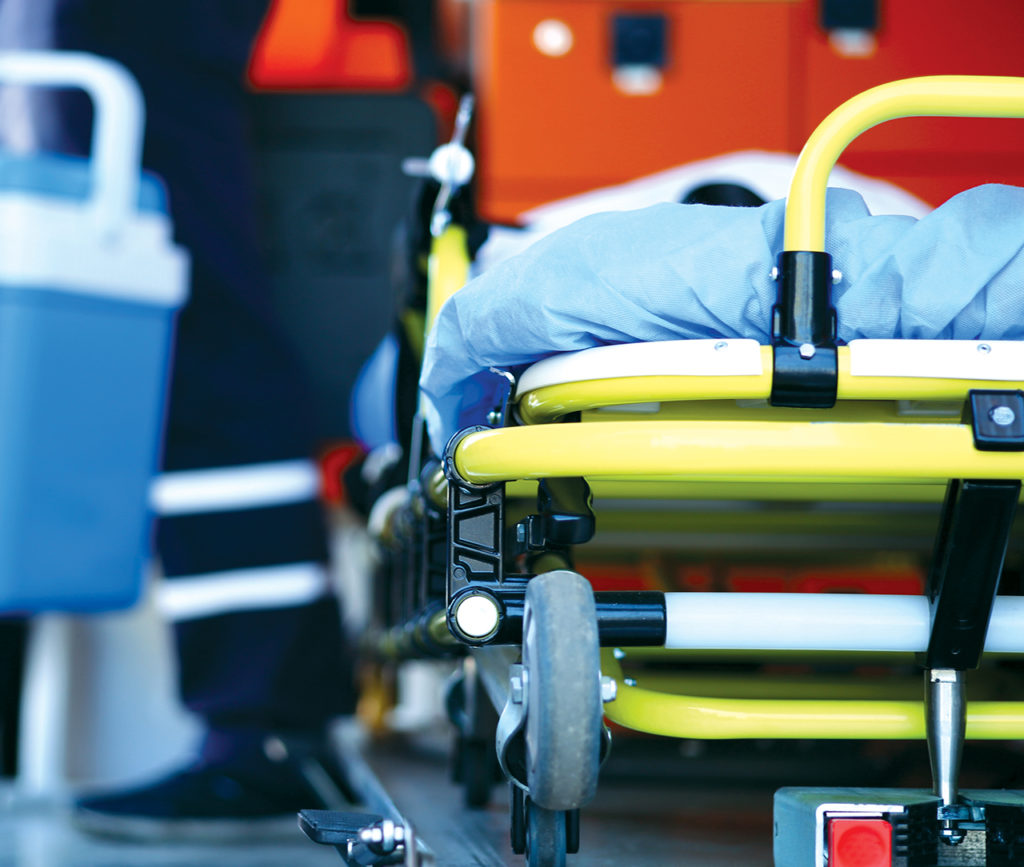
It’s time to change the way California thinks about disaster response. The COVID-19 pandemic showed that hospitals can quickly mobilize to provide flexible approaches to patient care during a disaster. The state must draw upon these lessons to prepare differently so the next crisis will be less severe. Given California’s size and complexity, the health care disaster response system of the future must be nimble enough to respond to any catastrophe. View more information on hospital disaster preparedness.
CHEMM Intelligent Syndromes Tool (Beta)
CHEMM-IST is a prototype decision support tool developed by experts in medicine and emergency response as an aid for identifying the chemical a patient was exposed to in a mass casualty incident. Toxic syndromes or toxidromes are easily identified with only a few observations.
Medical Response to a Major Radiological Emergencies
This resource from the Radiological Society of North America offers valuable insights for hospitals, particularly in the field of diagnostic imaging. It can aid hospitals in improving their radiology departments by addressing advancements in imaging technologies, optimizing patient care through more accurate diagnostics, and streamlining clinical workflows.
Hospital Guidance for Responding to a Contaminating Radiation Incident
This guide was developed by The New York City Hospital Radiation Working Group, a multi-hospital working group convened by the NYC Department of Health and Mental Hygiene (DOHMH) that included nuclear medicine, radiation oncology, emergency medicine, health physics, emergency management, mental health, environmental medicine, and radiation-related treatment and monitoring professionals.
Strengthening the Disaster Resilience of the Academic Biomedical Research Community: Protecting the Nation’s Investment
A disaster, whether nature or man-made, can strike anyone anywhere, including an academic research facility.
Health Care Challenges after Radiological Incidents
ASPR TRACIE’s program on the impact of radiological incidents on health and health care provides information and planning strategies related to radiological incidents.
Nerve Agent Protocols for Hospitals
Learn about standard protocols for recognizing, treating, and protecting hospital-based first receivers from nerve agent exposures.
Medical Surge Following a Radiological/Nuclear Mass Casualty Incident
2021 Virtual Disaster Conference
Medical and health preparedness activities rarely address radiological emergencies and the unique attributes of radiological exposure and contamination. Hospitals and local jurisdictions that plan for medical surge of contaminated patients will save thousands of lives without endangering their workforce or disrupting other operations.
Prepare Your Facility for a Chemical Emergency
2022 Disaster Conference
Chemical emergencies can happen at any time at health care facilities. The impact may not only be to the facility but patients, staff, and the surrounding community. To assist hospitals and all health care partners, ASPR/TRACIE has developed a “Chemical Emergency Considerations for Health Care Facilities” resource to assist in preparing and responding to chemical emergencies.
Active Shooter: Recommendations and Analysis for Risk Mitigation
Recent active shooter attacks have illustrated the importance of procedures, systems, and training designed to mitigate the risks from active shooters. These mitigation recommendations are based on analysis of past active shooter attacks, and careful review of previous studies. These mitigation recommendations, which are tailored to building security personnel, are detailed in Part II of this book.
Active Shooter Lockdown: Sample Hospital Policy
An emergency event which threatens the safety of patients, employees, staff, visitors and/or hospital operations may require the lockdown of the Hospital. This sample lockdown guidance document covers entry and exit considerations and also includes an event decision-making tree.