

This content is restricted to members.
Join us in Sacramento at the Kimpton Sawyer Hotel for a unique symposium dedicated to California’s rural hospital leaders. Together, we’ll explore the specific challenges rural hospitals face and discover valuable insights into a range of critical health care topics.
8:00 – 9:00 a.m. | Check-in, Breakfast, and Exhibitor Viewing
8:45 – 9:00 a.m. | Welcome from Carmela Coyle, President & CEO, California Hospital Association
9:00 – 10:00 a.m. | General Session | Rural Health Transformation Program – What It Means for California’s Rural Communities
Dr. Lemeneh Tefera, Chief Medical Officer & Deputy Director for Clinical Innovation, Hovik Khosrovian, Senior Advisor Workforce, Peggy Broussard Wheeler, Senior Policy Advisor – Stakeholder Relations, California Department of Health Care Access and Information
The Rural Health Transformation Program represents a significant opportunity to strengthen and shore up rural health care delivery with new federal funding. This general session will provide an overview of the Rural Health Transformation Program, including the purpose and structure of the initiative, the California proposal and award, and how the California Department of Health Care Access and Information (HCAI) will roll out the program to support rural health care initiatives across the state. Speakers will also discuss the anticipated implementation process, key milestones, and what hospitals and communities should be preparing for as the rollout and implementation begin.
Learning Objective: Develop a clear understanding of the Rural Health Transformation Program and how the state of California plans to implement it.
10:00 – 10:30 a.m. | Break and Exhibitor Viewing
10:30 – 11:30 a.m. | General Session | Next-Generation Care Coordination – Driving Better Outcomes Through Data-Driven Innovation
Dr. Riya Pulicharam, Chief Medical Officer, Caret Health
As health systems continue to care for increasingly complex, high-risk patient populations, next-generation approaches to care coordination are redefining how care teams identify risk, intervene earlier, and improve outcomes while managing costs. In this general session, the Chief Medical Officer of Caret Health will explore the future of care coordination through real-world case studies and research-backed insights. Drawing on work across the country, the session will highlight how innovative care coordination strategies have improved quality, reduced avoidable utilization, and strengthened care delivery.
Learning Objective: Determine ways technology-driven care coordination approaches can streamline workflows and target interventions to improve population health.
11:30 a.m. – 12:30 p.m. | General Session | Building a Sustainable Nursing Workforce Through Innovation and Community Partnerships
Diane Drexler, Chief Nursing Officer & Vice President, Patient Services, Community Memorial Healthcare
A strong and stable nursing workforce is essential to hospital operations, care quality, and long-term sustainability. Addressing these challenges requires innovative staffing models, operational alignment, and meaningful partnerships that support nurses throughout their education and careers. This peer-led session will explore proven strategies for building and implementing a rural nursing workforce model that improves operational efficiency while strengthening staffing stability from the perspective of a fellow rural hospital leader. Dr. Drexler will highlight approaches to workforce planning, training, and support, along with successful partnerships necessary to expand the pipeline of nursing talent.
Learning Objective: Identify innovative nursing workforce and staffing approaches that support retention and long-term community engagement.
12:30 – 1:30 p.m. | Hosted Lunch
1:30 – 2:15 p.m. | General Session | New Federal Price Transparency Requirement: What Do Hospitals Need to Do to Comply?
Joe Wisniewski, AVP, SMB Sales, Turquoise Health
Health care price transparency is rapidly reshaping how patients, providers, and payers understand and engage with the cost of care. This session will explore the evolving regulatory landscape of health care price transparency rules and the unintended benefits of organizing all your contracts in one place to improve compliance. Beyond high-level strategy, this session will provide a deep dive into compliance with federal rules, ensuring attendees understand exactly what is already required and how compliance helps create contract clarity for future payer negotiations. Our speaker will discuss the intent and impact of these regulations on rural hospitals, address common challenges rural providers face in generating required machine-readable files, and provide critical insight into what else may be coming down the pike for future price transparency initiatives.
Learning Objective: Learn how the federal price transparency requirements continue to evolve, how to evaluate your organization’s compliance with recently finalized transparency rules, and potential contract clarity benefits of posting compliant files.
2:15 – 3:15 p.m. | General Session | Digital Optimization in Rural Hospitals – A Fireside Chat on Streamlining Operations
Sylvia Trujillo, Executive Director, California Telehealth Resource Center, Maia Schneider, Executive Director of Business and Strategy Development and Martin Entwistle, Associate Chief Medical Officer, VP Population Health and Ancillary Services, Marshall
As rural hospitals face ongoing financial and operational pressures, digital optimization has emerged as a critical tool for improving efficiency, expanding access, and supporting long-term sustainability. In this fireside chat, the California Telehealth Resource Center will be joined by leaders from Marshall to share real-world insights from a collaborative digital optimization journey. Together, they will discuss how targeted digital strategies were used to improve operations, reduce inefficiencies, and support more sustainable workflows, while highlighting lessons learned along the way.
Learning Objective: Identify practical digital strategies to support rural hospital operational efficiencies and financial sustainability.
3:15 – 3:45 p.m. | Break and Exhibitor Viewing
3:45 – 4:45 p.m. | General Session | Legislators Perspective on Rural Health Care and Hospital Sustainability
Senator Shannon Grove, California Senate District 12
Assemblymember Chris Rogers, California Assembly District 2
Assemblymember Esmeralda Soria, California Assembly District 27
Moderator: Kathryn Austin Scott, Senior Vice President, State Relations & Advocacy
Policymakers representing rural communities are uniquely positioned to understand both the realities on the ground and the policy levers available to support long-term sustainability of rural communities and their health care providers. In this panel discussion, California legislators will share their perspectives on the most pressing rural health care challenges facing their constituents. Panelists will discuss policy priorities, legislative ideas, and potential solutions aimed at strengthening rural hospitals and improving access to care across rural California.
Learning Objective: Provide insight into legislators’ perspectives on rural health care challenges and opportunities for collaboration.
4:45 – 5:45 p.m. | Reception and Exhibitor Viewing
8:00 – 9:00 a.m. | Continental Breakfast and Exhibitor Viewing
9:00 – 10:00 a.m. | Executive Session (CHA Members Only) | An Executive Session with Carmela Coyle and Siri Nelson
Carmela Coyle, President & CEO, California Hospital Association and Siri Nelson, CHA Board of Trustees Immediate Past Chair, President & CEO, Marshall
Health care is at a pivotal moment, and leaders are being asked to do more with less. In this candid discussion, CHA’s President & CEO and the Immediate Past Chair of the CHA Board of Trustees will engage in a meaningful dialogue on the most pressing challenges facing rural health care today. This session moves beyond talking points to offer honest insights, thoughtful conversation, and forward-looking ideas that resonate with leaders at every level, including what it’s like to serve your patients and communities while in survival mode. This is your opportunity to ask pressing questions and share your thoughts on the future of rural health care in California.
Learning Objective: Explore leadership approaches for navigating uncertain times and driving meaningful change in rural health care organizations.
10:00 – 11:00 a.m. | General Session | Washington Update – Federal Issues Impacting Rural Hospitals
Joanna Hiatt Kim, Vice President of Payment Policy, American Hospital Association
Federal funding and policy decisions continue to shape the future of rural hospitals and the communities they serve. This session will cover key legislative and regulatory developments from the start of the year, including federal government funding, AHA’s policy priorities and rural agenda, mid-term election outlook, and emerging challenges and opportunities, along with issues of particular interest to rural providers such as 340B and related litigation. Our speaker will provide a national overview of the Rural Health Transformation Program from the federal perspective, including state application patterns and what is known about CMS’ process for approving and overseeing state RHTP projects. Attendees will leave with a clearer understanding of current federal policy and funding developments affecting rural health care and actionable insights to inform advocacy and strategic planning.
11:00 – 11:30 a.m. | Break and Exhibitor Viewing
11:30 a.m. – 12:30 p.m. | General Session | What Is the Rural Emergency Hospital Program and Considerations for Converting
Ken Harman, REH Program Director and Regional Liaison, Rural Health Redesign Center
The Rural Emergency Hospital (REH) program continues to evolve as an option for rural hospitals seeking to preserve access to essential emergency and outpatient services while adapting to financial and operational challenges. Learn about the key tenants of the REH program, including federal eligibility and requirements, pros, cons, and other trade-offs to consider in evaluating whether the model could be a fit for your organization, and other implementation considerations. Additionally, the session will highlight how the Rural Health Redesign Center can support rural hospitals throughout the exploration and transition process, offering technical assistance, planning resources, and guidance to help ensure continued access to care in rural communities.
Learning Objective: Gain insight into approaches and models that help sustain access to care in rural communities
12:30 – 1:30 p.m. | Hosted Lunch
1:30 – 2:30 p.m. | General Session | What OHCA Means for Rural Hospitals
Ben Johnson, Group Vice President, Financial Policy and Jenny Nguyen, Vice President, Financial Policy, California Hospital Association
The Office of Health Care Affordability (OHCA) continues to play a growing role in shaping California’s health care landscape. This general session will provide an update on OHCA, including recent board actions and an overview of current priorities. Attendees will also hear member perspectives on how OHCA is impacting their rural hospitals.
Learning Objective: Recognize OHCA’s potential implications for hospital operations and planning.
2:30 – 3:30 p.m. | General Session | CEO Perspectives on Sustainability in Rural Hospitals
Mary Casillas, CEO at Hazel Hawkins Hospital, Dr. Kevin Flanigan, CEO at Southern Inyo Hospital, and Dr. Clint Purvance, President/CEO at Barton Memorial Hospital
In this dynamic CEO panel discussion, three hospital CEOs will share firsthand experiences of the changes they’ve implemented to strengthen financial and organizational performance, adapt to evolving challenges, and position their organizations for long-term sustainability. Panelists will discuss both financial successes and ongoing challenges, offering real-world examples of what has worked, how to remain mission-focused when in survival model, and ongoing areas of focus for improvement. The discussion will explore strategic, operational, and cultural shifts aimed at improving efficiency, stabilizing finances, and ensuring continued access to high-quality care in rural settings.
Learning objective: Discover practical strategies for improving financial and operational sustainability as rural hospital leaders.
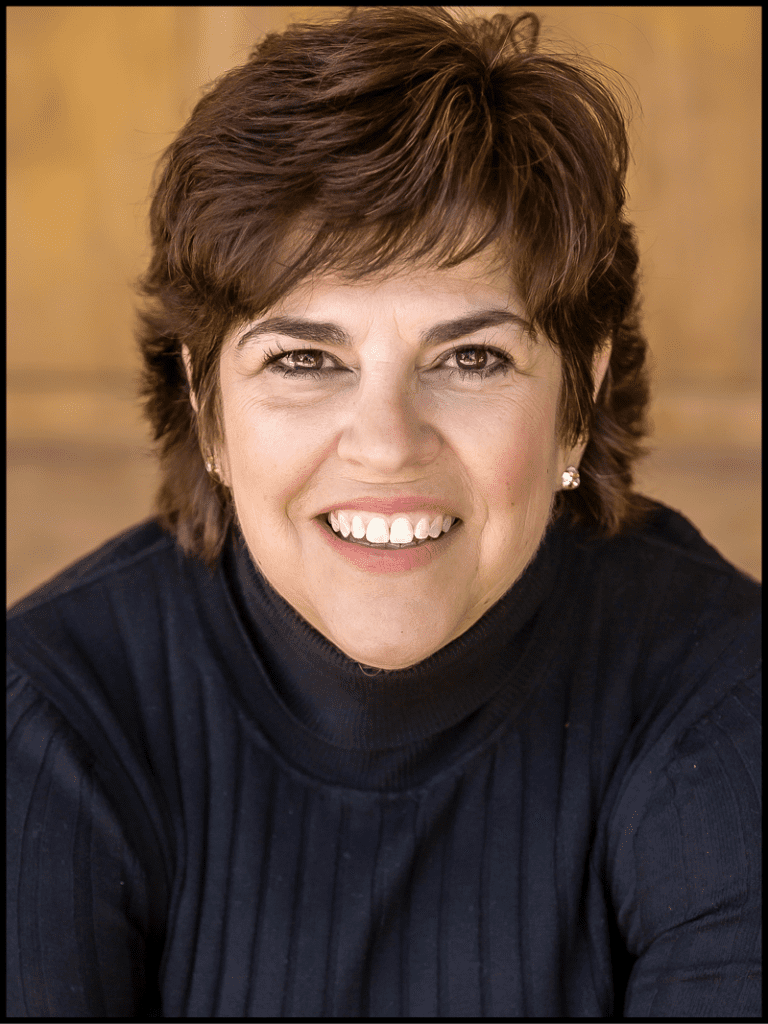
Mary Casillas, MHA
CEO
Hazel Hawkins Memorial Hospital
Mary Casillas has been the CEO at Hazel Hawkins Memorial Hospital since October of 2022. Prior to that, Mary came to Hazel Hawkins as the COO. With over 30 years of health care experience, she started her career as an X-ray Technologist and went into management shortly after. Mary worked for Dignity Health for many years where she held several positions at Dominican Hospital and eventually with Dignity Health Corporate office. She has led the team at Hazel Hawkins in a turnaround, going from under 10 days cash on hand to over 90 days in the past 3 years.

Carmela Coyle
President & CEO
California Hospital Association
Carmela Coyle began her tenure as president and CEO of the California Hospital Association, the statewide leader representing the interests of more than 400 hospitals and health systems in California, in October 2017. Previously, Ms. Coyle led the Maryland Hospital Association for nine years, where she played a leading role in shaping a statewide, value-driven health care delivery system.

Diane Drexler, DPN, MBA, RN, FACHE
Chief Nursing Officer & Vice President, Patient Services
Community Memorial Healthcare
For nearly 30 years, Dr. Diane Drexler has been an accomplished health care executive and nursing leader in California and Arizona who has achieved demonstrated results in innovation and quality in clinical and non-clinical operations. Dr. Drexler sets the vision for nursing and patient care across the Community Memorial Health System. She provides nursing oversight, leadership, and standards of practice for Community Memorial Hospital, Ojai Valley Community Hospital, and the 20 Centers for Family Health clinics. She manages over 1,000 full-time employees and is responsible for $98 million operating budget. Her leadership has helped CMHS and its patients tremendously throughout the pandemic, when top management and leadership skills were desperately needed.

Martin Entwistle, MB, Ch.B, FRCSEd
Chief of Medical Affairs
Marshall Medical Center
Martin Entwistle is Chief of Medical Affairs for Marshall Medical Center. His primary responsibilities are to support the quality of care and access to medical service provided by the organization and to develop and implement strategies in support of the organization’s mission to maximize the engagement, satisfaction, health status, and health outcomes of the population served. He is a recognized subject matter expert on population level care management systems and is the executive lead for workgroups facilitating the adoption and use of AI solutions and systems for remote patient management and telehealth.
Kevin Flanigan, MD, MBA
CEO
Southern Inyo Hospital
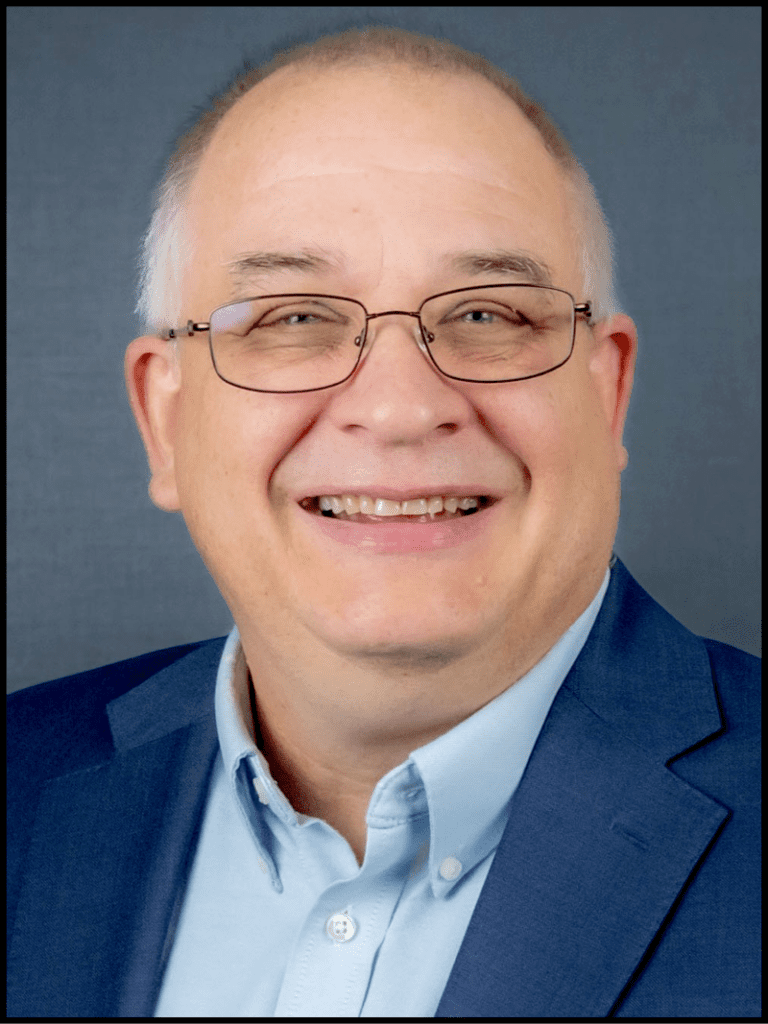
Ken Harman
REH Program Director and Regional Liaison
Rural Health Redesign Center
Ken serves as a Program Director for the Rural Emergency Hospital Technical Assistance Center with the Rural Health Redesign Center. He brings over 30 years’ health care experience, with 20 years being a rural Critical Access Hospital CEO. He has served in Wyoming, Colorado, Idaho, California, Utah and Minnesota. He has a passion for rural health care and assisting organizations and communities in sustaining and growing to take care of community needs.

Joanna Hiatt Kim
Vice President of Payment Policy
American Hospital Association
Joanna Hiatt Kim is the America Hospital Association’s (AHA) Vice President of Payment Policy where she leads the association’s work on Medicare payment, including for inpatient and outpatient hospital care, post-acute care, physician services and alternative payment models. Joanna came to the AHA from the United States Government Accountability Office, where she served as a Senior Health Policy Analyst. In this role, she advised Congress on potential policy changes and conducted policy analyses on a wide range of issues, including Medicare payment policy and hospital community benefits.

Ben Johnson
Group Vice President, Financial Policy
California Hospital Association
Ben Johnson is CHA’s Group Vice President, Financial Policy, covering finance and affordability issues, including the Office of Health Care Affordability. Ben has been working in health care policy for a decade, previously having advised the state legislature from his role at the Legislative Analyst’s Office, where he was lead on issues like drug pricing, the Medi-Cal budget, single-payer financing, and health care-related taxes.

Siri Nelson
President & CEO
Marshall
Siri Nelson serves as Chair of the Board of Trustees of the California Hospital Association. She has served as President and CEO of Marshall since May 2019. Siri began her health care administration career in accounting and finance. Siri has previously served as Chief Executive Officer at South Meadows Medical Center, Chief Financial Officer and Interim CEO at Sutter Amador Hospital, and Chief Administrative Officer at Sutter Lakeside.

Jenny Nguyen
Vice President, Policy
California Hospital Association
Jenny Nguyen is Vice President of Financial Policy at the California Hospital Association (CHA). Jenny covers finance and affordability issues, including the Office of Health Care Affordability. Prior to joining CHA, Jenny served as the Director of Budget and Fiscal Policy at the County Welfare Directors Association where she led fiscal and budget analysis, implementation, and advocacy across a variety of health and human services programs.

Riya Pulicharam, MD, CPI
Chief Medical Officer
Caret Health
Dr. Riya Pulicharam is a nationally recognized pioneer in population health management, health economics, and clinical outcomes. She currently serves as Chief Medical Officer of Caret Health and the Chief of Population Health at Cibolo Health, where she leads technology-enabled, value-based care transformation initiatives for high-risk populations. With more than two decades of leadership experience at Healthcare Partners/DaVita Medical Group and Optum, Dr. Pulicharam has driven large-scale care delivery redesign focused on improving quality metrics while reducing total cost of care. She specializes in automating clinical care pathways for patients with multiple chronic conditions through advanced analytics and algorithm-driven interventions.
Clint Purvance, MD
President/CEO
Barton Memorial Hospital

Maia Schneider
Executive Director of Business and Strategy Development
Marshall
Since 2016, Maia Schneider has been the Executive Director of Business and Strategy Development for Marshall. In her role, Maia identifies opportunities for growth and new services, manages complex projects, and works with operational teams to ensure their success. She supports the CEO and Board of Directors in developing strategies to move the organization towards its vision and works with directors and managers to develop tactical plans to achieve those goals. Maia’s duties also include government relations, and she works closely with local, state and federal offices to ensure Marshall’s voice is heard on matters of legislative importance.
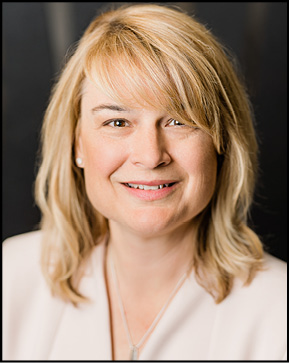
Kathryn Austin Scott
Senior Vice President, State Relations & Advocacy
California Hospital Association
Kathryn serves as the association’s head lobbyist in Sacramento and directs the California lobbying team. Previously, Kathryn was a partner at Capitol Partners, a Sacramento lobbying firm that she founded over ten years ago. She has over 20 years of experience in public policy and served as a contract lobbyist to CHA for 15 years. She has also represented the United Hospital Association and the District Hospital Leadership Forum among other health care and non-health care clients.
Sylvia Trujillo
Executive Director
California Telehealth Resource Center

Joe Wisniewski
AVP, SMB Sales
Turquoise Health
Joe Wisniewski serves as the AVP of SMB Sales at Turquoise Health. As one of Turquoise’s first employees, Joe has helped hospitals comply with pricing transparency mandates since their launch in 2021. Over time, Turquoise’s focus evolved beyond enriching public MRF data for contract negotiations to include CMS compliance and contract management. Joe now runs Turquoise’s rural health programs. Before Turquoise, Joe spent his career in technology and government affairs, tackling public policy problems through software. He has held various roles in sales development, political strategy, and government over the course of his career.
*Members: $99
*Members are CHA member hospitals. Education programs and publications are a membership benefit and are not available to eligible non-member California hospitals.
Cancellation Policy
A $50 non-refundable processing fee will be retained for each cancellation. Cancellations must be made in writing seven or more days prior to the scheduled event and emailed to education@calhospital.org. No refunds will be given after these dates. Substitutions are encouraged. Cancellation and substitution notification may be emailed to education@calhospital.org. In the unlikely event that the program is cancelled, refunds will be issued to paid registrants within 30 days.
Confirmations
A confirmation will be sent to all registrants. On-site registrations and any unpaid registrations may be subject to an additional 10% fee.
Special Accommodations
If you require special accommodations pursuant to the Americans with Disabilities Act, please call (916) 552-7637.
Photography
CHA will photograph this event. If you prefer not to be photographed, please email CHA at:
education@calhospital.org.
Full participation in the live symposium is a prerequisite for receiving professional continuing education (CE) credit. Registrant must complete post-event survey, attest to participation and, when required, provide a professional license number. CE certificates will be emailed approximately three weeks after the symposium. (Amount of CE offered subject to change.)
Healthcare Executives — CHA is authorized to award 10.75 hours of pre-approved ACHE Qualified Education credit for this program toward advancement, or recertification, in the American College of Healthcare Executives. Participants in this program who wish to have the continuing education hours applied toward ACHE Qualified Education credit must self-report their participation. To self-report, participants must log into their MyACHE account and select ACHE Qualified Education Credit.
The Kimpton Sawyer
500 J Street
Sacramento, CA 95814
(916) 545-7100
Discount Deadline is February 23, 2026.
The Kimpton Sawyer Hotel has rooms available at a discounted rate of $319.00 plus taxes and a one-time $25.00 guest amenity fee. For reservations, call (877) 678-6255 and mention the “Rural Health Care Symposium 2026″ or book online. Don’t delay; the deadline for discounted sleeping rooms is February 23, 2026.
If you would like to sponsor the Rural Health Care Symposium, contact Lisa Hartzell at lhartzell@calhospital.org.