
May 14, 2026 | Burbank & Livestream
9:00 a.m. – 4:00 p.m., PT
Los Angeles Marriott Burbank Airport Hotel
2500 North Hollywood Way
Burbank, CA 91505-1019
9:00 – 9:15 a.m. | Basics of Consent
Download Presentation
This brief session will highlight key concepts related to consent and every competent adult’s fundamental right of self-determination over their body. This speedy session will also establish a foundation for addressing the challenging issues to be tackled throughout the seminar. Recommended pre-seminar viewing: Basics of Informed Consent webinar recording.
9:15 – 10:15 a.m. | Advanced Consent Issues
Download Presentation
Building on the fundamentals, this session will explore complex and high-risk consent scenarios that challenge even seasoned practitioners. Topics include substituted decision-making, consent in emergent situations, evolving standards around documentation, and navigating conflicts between clinical judgment and patient choice. Through practical examples, participants will gain strategies for applying legal principles to nuanced, real-world situations.
10:15 – 10:30 a.m. | Break
10:30 – 11:30 a.m. | Digital Health/Artificial Intelligence
Download Presentation
As digital health tools and AI become embedded in care delivery, traditional consent frameworks are being tested in new ways. Meanwhile, federal and state regulations are attempting to keep up with the rapid evolution of AI in healthcare. This session examines (i) the evolution of AI in healthcare; (ii) federal and state regulatory schemes and (iii) how informed consent intersects with algorithmic decision support, virtual care platforms, and patient-facing AI tools. Discussion will focus on transparency, workflow integration, and how organizations can responsibly communicate risk and limitations while maintaining patient trust.
11:30 a.m. – 12:30 p.m. | Behavioral Health
Download Presentation
Consent in behavioral health settings raises unique challenges involving capacity, safety, privacy, and competing duties of care. This session will address practical considerations in evaluating decision-making ability, navigating involuntary treatment frameworks, and managing consent when clinical and legal standards may diverge. Participants will leave with clearer approaches to balancing patient autonomy with risk mitigation.
12:30 – 1:30 p.m. | Lunch
1:30 – 2:15 p.m. | Legislative Update
Download Presentation
This fast-moving update highlights recent legislative developments shaping consent requirements across health care settings. Attendees will receive a concise review of noteworthy statutory changes, emerging trends, and anticipated developments that may affect policy, operations, and risk management in the coming year. The session focuses on practical implications and actionable takeaways for legal and compliance teams.
2:15 – 3:00 p.m. | Scenes from the Field (Part One)
Presentation not available.
Inspired by cinematic scenarios, this interactive session uses theoretical case studies to challenge participants’ critical thinking on difficult consent questions. Through facilitated discussion, attendees will analyze situations involving adverse event reporting, gray-area privacy issues, behavioral health complexities, and difficult discharge decisions. Expect lively debate and practical insights drawn from frontline experience
3:00 – 3:15 p.m. | Break
3:15 – 4:00 p.m. | Scenes from the Field (Part Two)
Presentation not available.
The conversation continues with additional case studies that push participants to apply consent principles in fast-evolving and emotionally charged circumstances. Faculty will guide attendees through decision points hospitals face in real time, emphasizing risk assessment, interdepartmental coordination, and documentation practices that can make the difference when outcomes are challenged.
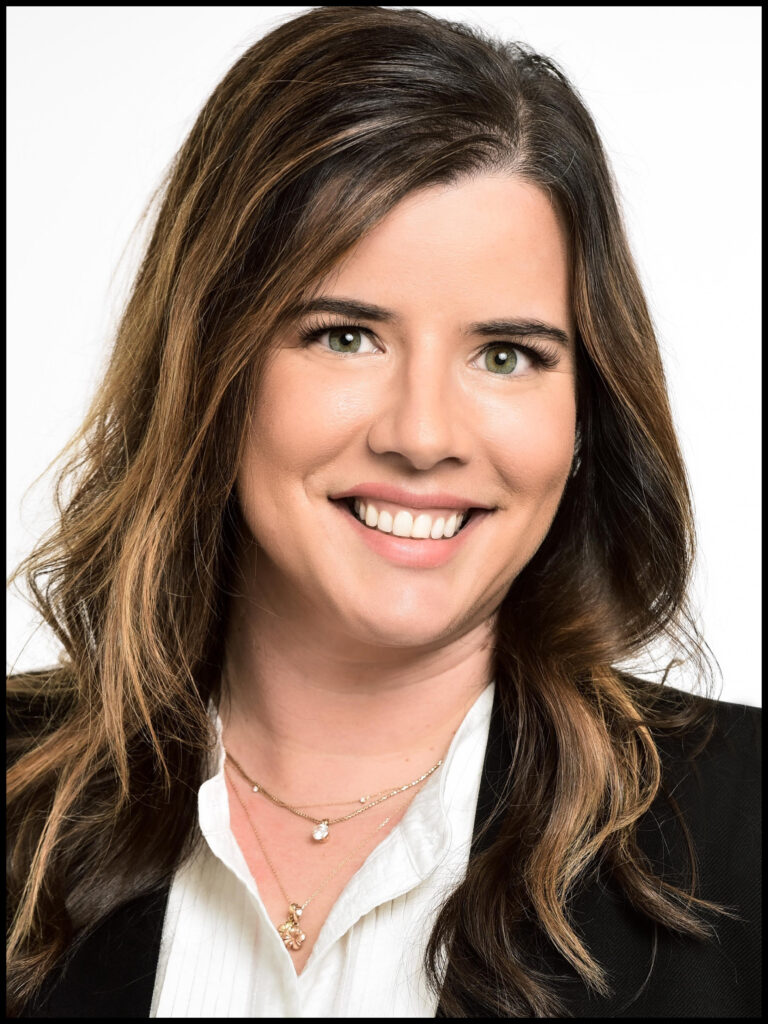
Alicia Macklin, Esq.
Partner
Hooper, Lundy & Bookman PC
Ms. Macklin is a trusted advisor to a range of inpatient and outpatient behavioral health care providers, along with hospitals and health systems. She has counseled many of California’s hospitals on unsettled areas of law, with an emphasis on compliance with the Emergency Medical Treatment and Labor Act (EMTALA). Her work with providers includes advising on licensing and accreditation, Medicare and Medi-Cal reimbursement, federal and state privacy and confidentiality requirements, and operational issues. She also helps California providers navigate voluntary and involuntary treatment under the Lanterman-Petris-Short Act (LPS Act).

Julia B. Michael
Deputy General Counsel and Chief Compliance Officer
K Health
Julia Michael is Deputy General Counsel and Chief Compliance Officer at K Health, where she leads legal strategy, compliance, privacy, information security, and responsible-AI governance for AI-enabled virtual care delivery at scale. She advises executive leadership on enterprise partnerships, regulatory strategy, and the safe integration of emerging technologies into clinical care. Previously, Julia spent more than a decade advising major health systems, including Kaiser Permanente and Providence, supporting hospital operations, multi-state telehealth expansion, digital innovation, and AI-enabled care delivery.

Sansan Murray
Senior Counsel
Kaiser Foundation Hospitals and Health Plan
Sansan Lin Murray is Senior Counsel for Kaiser Foundation Hospitals and Health Plan and is in the Hospital Operations and Care Delivery practice group. She is an experienced health care attorney with a demonstrated history of working with hospital and health care industry clients on a range of care delivery issues with a focus on legal, risk and compliance issues related to privacy and security, medical staff, credentialing, quality and consent.